
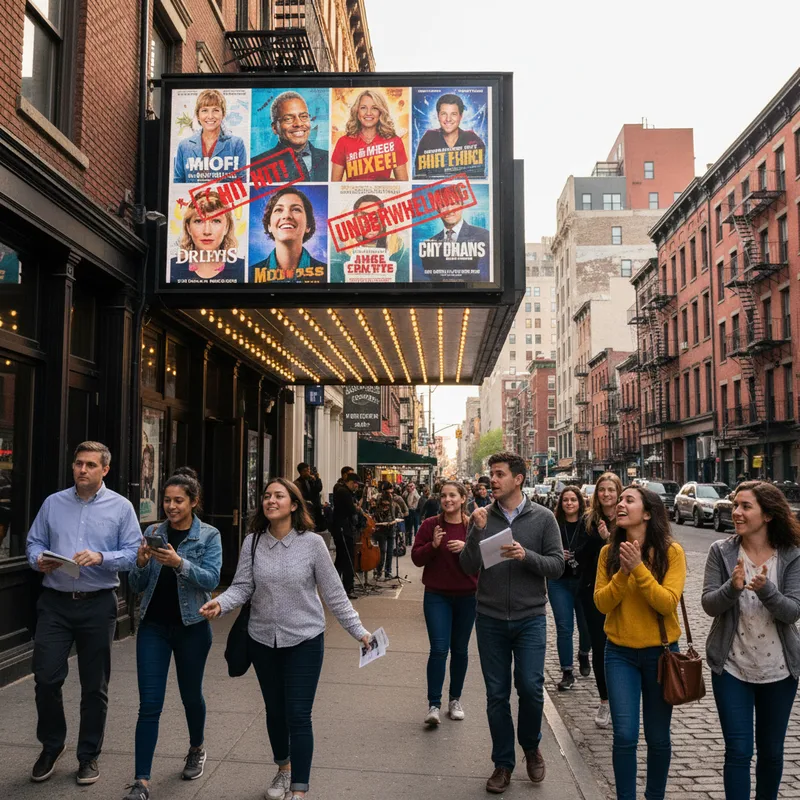
Reviewers are reporting mixed results across Lower Manhattan theatres this week as the spring season begins to take shape. Performances in the district include a range of experimental and traditional works that have drawn varying critical responses from local audiences. The 2026 season arrives at a time when the sector is still adjusting to post-pandemic attendance patterns. While some productions have successfully captured the attention of theatergoers, others have failed to meet expectations. According to local reporting from La Voce di New York, the current slate of shows represents a significant cross-section of the city's independent stage scene.
Diverse offerings on the spring schedule
Lower Manhattan's theatrical output remains high despite the inconsistent critical reception. The schedule includes several limited engagements and new works seeking to establish a foothold before the summer months. These smaller venues often provide a platform for voices that do not fit the commercial requirements of Midtown stages. The mix of hits and misses reflects the broader state of the industry in New York. While the Downtown NYC JazzFest brings a predictable draw to the area, the theater scene relies more heavily on individual production quality and word-of-mouth reviews. Public records from the New York State Council on the Arts show that funding for smaller non-profit companies remains tight. This financial pressure often forces companies to choose between safe, traditional programming and the risky experimental work the district is known for.
Challenges for local venues
Venue operators in the area face rising costs for rent and production materials. Recent policy changes have also impacted how these spaces operate within historic buildings. For example, some SoHo loft conversions are now subject to stricter landmark reviews, which can affect the feasibility of maintaining performance spaces in older structures. Despite these hurdles, the artistic output remains steady. The current season features a variety of themes, ranging from personal dramas to broader social commentary. This variety is similar to the upcoming Being Human Festival 2026, which is set to explore local history and social justice through various city-wide events. The inconsistency in quality noted by reviewers this month is not necessarily viewed as a negative by all industry insiders. Some argue that a healthy scene requires the space to fail. The pressure to produce a guaranteed hit can often stifle the creativity that brings people to Lower Manhattan in the first place.
Impact on the local economy
The health of the theater district has a direct impact on surrounding businesses, particularly in the hospitality and dining sectors. When a show fails to draw a crowd, nearby restaurants see a corresponding dip in mid-week covers. This connection highlights the importance of the arts to the broader economic stability of the neighborhood. Efforts to stabilise the sector include new initiatives designed to make performance more accessible. These programs often mirror broader city efforts to support families, such as how New York City expands childcare and education services to keep residents in the urban core. Keeping the arts affordable remains a primary concern for many local organisers. International interest also plays a role in the local scene. Cultural events often draw global audiences, a trend seen in other major cities like Christchurch, where Polyfest heads weekend celebrations that attract thousands of visitors to the city centre. Lower Manhattan aims for a similar reach with its seasonal festivals and high-profile openings.
What follows for the season
As March continues, producers will be looking to capitalise on the successes while learning from the productions that missed the mark. The reliance on digital daily updates from outlets like La Voce di New York allows potential ticket buyers to gauge the quality of a show before heading downtown. The upcoming weeks will see several more openings, with reviews expected to continue through the end of the month. Theatre companies are now preparing their final balance sheets for the first quarter of the year. The outcome of these reviews will likely dictate the programming choices for the autumn season.