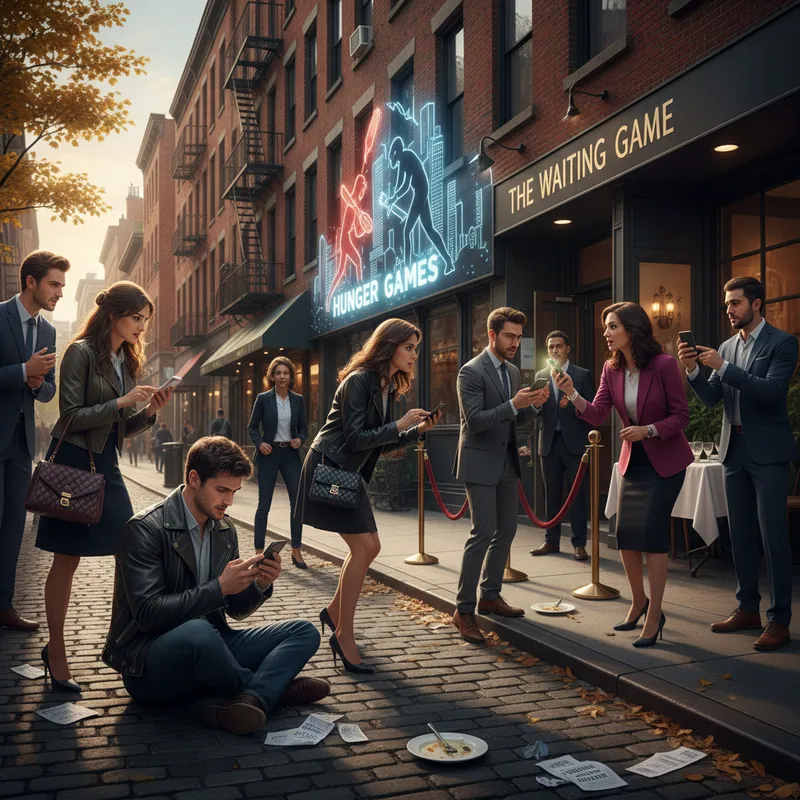
Getting a dinner reservation at a top New York City restaurant has always required a bit of planning, but now, for many, it feels like a full-time job. Diners describe the current scene as a competitive sport, a "Hunger Games" where they battle against automated bots, social media influencers, and legions of their followers for a chance to eat at the city’s most coveted spots.
The days of spontaneously deciding on a night out at a popular eatery are a distant memory. Hopeful diners now set alarms for midnight reservation drops on platforms like Resy and OpenTable, only to find all slots for the next month scooped up in seconds. The frustration is mounting for genuine food lovers who find themselves consistently locked out of popular establishments like the Polo Bar, SoHo’s Or’esh, and the highly sought-after Torrisi Bar & Restaurant.
A foodie's frustration
For many New Yorkers, the joy of exploring the city's vibrant culinary landscape is being overshadowed by the sheer difficulty of accessing it. Brittany Fried, a 34-year-old from the Upper East Side, has repeatedly tried and failed to book a table at Torrisi, even when logging in the exact moment new reservations are released.
It literally takes the fun out of being someone who genuinely enjoys food. I’d be lucky to even post up at the bar at this point.
Amanda Lavino, 32, shares a similar story of digital disappointment. Her list of inaccessible restaurants is long, including 4 Charles Prime Rib, Tatiana, Bungalow, and Ambassador’s Clubhouse, which has gone so far as to limit guests to one reservation per month to manage overwhelming demand. Lavino’s most recent struggle involved a month-long, fruitless effort to secure a table at the Corner Store, a celebrity-frequented SoHo spot known for its unique cocktails. She set notification alerts on her phone every night, but a table never materialized.
Lavino notes that this intense scramble for reservations has become particularly noticeable in the last two to three years. She and her friends often end up wandering through Manhattan on a Friday night, settling for any place that has an opening rather than the one they had their hearts set on. This experience is a far cry from the spontaneous and exciting dining culture the city is known for, especially in neighborhoods packed with options, and a similar chase for a table can be found in the 50 best restaurants in Melbourne you need to try in 2026.
Social media fuels the fire
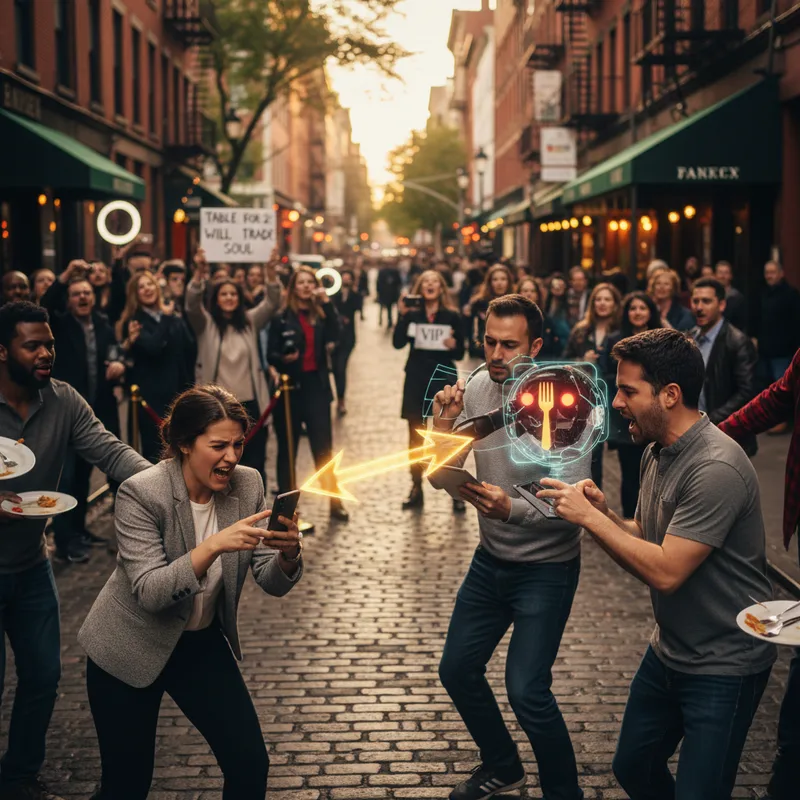
A significant driver of this reservation madness is social media. Platforms like TikTok have the power to turn a restaurant into an overnight sensation, making it virtually inaccessible to the average diner. "Once a place becomes the cool restaurant all over TikTok, it goes from hard to get into to basically out of reach," Lavino says.
This phenomenon speaks to a cultural shift where the experience of dining has become as much about social currency as it is about the food. "It’s not even just about dinner anymore, people just want to say they went," Lavino adds. Vicki Freeman, co-owner of popular restaurants like Shukette and Cookshop, echoes this sentiment. "People also want to go to the hot place first, not only to boast, but most importantly to post about it," she says. This desire for "Instagram-ability" aligns with the profile of SoHo's core consumer base, which consists largely of experience-driven Millennials and Gen Z with significant discretionary income.
The booming retail environment in SoHo further concentrates this trend. The area has seen an 84% retail occupancy rate, surpassing pre-pandemic levels. With major brands like Lululemon, Crocs, and IKEA opening flagships, and international labels like Sweden's TOTEME choosing SoHo for their U.S. launch, the neighborhood’s foot traffic has soared. This influx of trend-conscious shoppers, drawn to events and experiential retail, intensifies the competition for everything in the vicinity, including restaurant tables.
The rise of reservation bots
Adding a layer of technological frustration to the mix is the "Ticketmaster-ification" of dining, a term the National Restaurant Association uses to describe the use of bots by third-party sellers. These automated programs can snap up prime reservations milliseconds after they become available, only to resell them at a premium. "Humans can’t compete with robots," Lavino says, comparing the process to trying to buy limited-edition sneakers.
In response, New York state took action. In 2024, Governor Kathy Hochul signed the Restaurant Reservation Anti-Piracy Act, which went into effect on February 17, 2025. The law prohibits third-party platforms from listing or selling reservations without a formal agreement with the restaurant. While the law has helped curb the most flagrant bot activity, some resellers are reportedly now using AI to find workarounds, continuing the digital arms race for dinner.
The view from the restaurant
Restaurant operators find themselves in a difficult position, caught between overwhelming demand and the logistical realities of service. Cara Forgione, manager of Peasant in Nolita, says that while securing a table in New York has always been a challenge, social media has made it "even more intense." She fields requests for bookings nearly a year in advance, which is not feasible as most restaurants open their books only 30 days out.
What diners often don’t see is the complex balancing act of managing walk-in tables, accommodating owner requests, and pacing reservations to prevent the kitchen and staff from being overwhelmed. The most sought-after time slot remains 7 p.m. Forgione’s advice for determined diners? "Sometimes a phone call or even just stopping in to talk to a real human can go a long way," she suggests. "I would just make sure to respect the answer that is given."
Restaurateurs also face a deluge of direct pleas. Vicki Freeman says people often slide into her DMs with dramatic stories. "Someone once told me her mother was dying and it was her last wish to have brunch at Cookshop," she recalls. Max Chodorow of Jean’s restaurant notes another frustrating trend: reservation hoarding. Diners will book tables at multiple restaurants for the same night and decide at the last minute which to keep, leaving establishments with empty prime-time tables. "No one wants to charge a cancellation fee," he says, "but there really isn’t an option anymore."
The pandemic also shifted dining habits. Freeman notes that the coveted dinner hour has moved earlier, from 8-9 p.m. to a 6-8:30 p.m. window, as people still want to go out but also get home at a reasonable hour. This concentrates demand even further into a smaller time frame, making the reservation crunch feel even more acute in a city where so many seek to make their mark. As the city continues to evolve, the simple act of going out to dinner has become a complex, and often frustrating, reflection of New York’s relentless energy and demand.