Across Long Island, homeowners are facing a reality that once seemed distant: coastal flooding is becoming more frequent, more damaging, and more unpredictable. Communities throughout Suffolk County, from low-lying barrier islands to inland neighborhoods near tidal creeks, are seeing higher water levels during storms and even during regular high tides. As climate patterns shift and sea levels continue to rise, protecting homes has become a top priority for residents determined to safeguard their investments and their families.
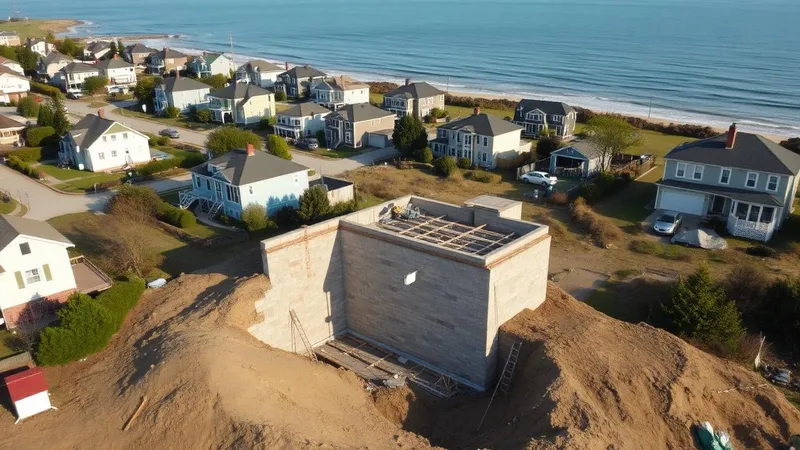
One of the most visible responses to this challenge is a growing focus on structural resilience, particularly strengthening foundations. Local contractors specializing in masonry Suffolk County services report a surge in requests for foundation reinforcement, seawall repairs, and flood-resistant construction upgrades. For many homeowners, these projects are no longer optional improvements; they're essential measures to ensure their homes can withstand future storms and rising waters.
Below are several key reasons why Suffolk County homeowners are reinforcing foundations and investing in long-term flood protection.
Rising sea levels are increasing flood risk
Sea level rise is one of the most significant environmental threats facing Long Island today. According to research from the Sea Level Rise Initiative, the waters around New York have already risen more than a foot over the past century, with projections indicating continued acceleration in the coming decades.
For coastal communities such as Babylon, Islip, and Southampton, even small increases in sea level can dramatically raise flood risks. Higher base water levels mean storm surges reach farther inland and drainage systems struggle to keep up during heavy rainfall. As a result, homes that historically avoided flooding are now finding themselves vulnerable.
Reinforcing foundations helps mitigate these risks by ensuring that structures remain stable even when soil becomes saturated or when water pressure increases around the base of a building. Strengthened masonry, waterproofing systems, and reinforced footings can significantly reduce the chance of structural damage during flooding events.
Stronger storms are testing older foundations
Long Island has experienced several powerful coastal storms in recent decades, with hurricanes and nor'easters causing widespread damage. Events such as Hurricane Sandy exposed how vulnerable many older homes were to floodwaters and storm surges.
Many properties across Suffolk County were built decades ago, long before modern flood-resilience standards were established. These older foundations often lack reinforcement, waterproofing membranes, or drainage features needed to withstand repeated water exposure.
Upgrading foundations through modern masonry techniques can dramatically improve durability. Contractors are installing reinforced concrete walls, applying waterproof coatings, and strengthening structural supports to help homes withstand both storm surges and prolonged flooding. For homeowners, these upgrades provide both peace of mind and improved long-term property stability.
Flood insurance requirements are driving upgrades
Another major factor motivating foundation reinforcement is the evolving landscape of flood insurance. Properties located in flood zones often require coverage through the National Flood Insurance Program administered by FEMA.
In recent years, insurance guidelines have become stricter as risks increase. Homes with vulnerable foundations or inadequate flood mitigation features may face higher premiums or difficulty maintaining coverage. In some cases, insurance providers encourage homeowners to elevate structures or reinforce foundations to reduce risk.
For Suffolk County residents, strengthening foundations can help demonstrate compliance with modern flood-mitigation practices. Reinforced masonry walls, improved drainage systems and elevated structural supports can all help reduce potential damage during flooding, something insurers increasingly consider when assessing risk.
Coastal soil erosion is undermining structures
Flooding is not the only threat to foundations along Long Island's coast. Soil erosion caused by wave action, storm surges, and tidal currents can gradually weaken the ground beneath homes.
In waterfront communities and neighborhoods near marshlands, shifting soil can create voids beneath foundations or cause uneven settlement. Over time, this movement can lead to cracks in walls, sinking foundations, and structural instability.
Homeowners are responding by reinforcing foundations with deeper footings, retaining walls, and erosion-resistant masonry structures. According to guidance from the New York State Department of Environmental Conservation, strengthening shoreline infrastructure and protecting soil stability are critical steps for maintaining resilient coastal communities.
These foundation improvements not only stabilize homes but also help protect surrounding landscapes from further erosion.
Local building codes are becoming more resilient
Municipal governments across Suffolk County are updating building codes to address the increasing threat of coastal flooding. New construction projects must meet stricter elevation and structural standards designed to reduce flood damage and improve long-term resilience.
While these regulations primarily apply to new builds, many homeowners renovating older properties are voluntarily adopting similar measures. Reinforcing foundations to meet or exceed current standards helps future-proof homes and ensures they remain compliant if regulations become stricter.
Construction professionals often recommend upgrades such as reinforced concrete block foundations, flood-resistant masonry materials, and improved drainage channels around homes. These upgrades are designed to handle hydrostatic pressure, the force exerted by water against structures during flooding.
By proactively strengthening foundations, homeowners can avoid costly structural repairs later while also aligning their properties with modern resilience standards.
Property value protection and long-term investment
For many residents, reinforcing foundations is also about protecting property value. Suffolk County real estate remains highly desirable, but flood risks can influence buyer decisions and market prices.
Homes that demonstrate strong flood-resilience features, including reinforced foundations, elevated structures, and proper drainage, often stand out to buyers who are increasingly aware of climate risks. Prospective homeowners want reassurance that a property can withstand future storms without costly repairs.
Local research from institutions such as Stony Brook University highlights the growing awareness of climate adaptation among Long Island residents. As more buyers prioritize resilience, homes with structural reinforcements may hold their value better than those without.
For current homeowners, investing in foundation reinforcement is both a protective measure and a strategic financial decision that can safeguard property equity for years to come.
Community awareness and climate adaptation efforts
Another reason foundation reinforcement is gaining momentum is growing public awareness about climate change and coastal vulnerability. Community organizations, local governments, and environmental groups across Long Island are actively promoting resilience planning.
Educational programs, climate adaptation workshops, and coastal protection initiatives have helped residents better understand the risks facing their neighborhoods. As homeowners become more informed, they are increasingly taking proactive steps to protect their properties.
Foundation reinforcement fits into a broader strategy of climate adaptation that includes elevating homes, installing flood barriers, improving stormwater systems, and protecting coastal wetlands. These measures collectively help reduce flood impacts while strengthening entire communities.
By reinforcing foundations today, Suffolk County homeowners are preparing for a future in which coastal flooding is likely to become more common.
Suffolk County's coastal beauty has long attracted residents to Long Island's shores, but living near the water now comes with new challenges. Rising sea levels, stronger storms, and shifting coastal landscapes are increasing flood risks for neighborhoods across the region.
In response, many homeowners are taking proactive steps to protect their properties by reinforcing foundations and investing in durable masonry construction. These upgrades improve structural stability, reduce flood damage risks, and align homes with evolving insurance and building standards.
For Long Island residents committed to protecting their homes and their communities, foundation reinforcement represents one of the most practical and impactful investments they can make in an era of rising waters.