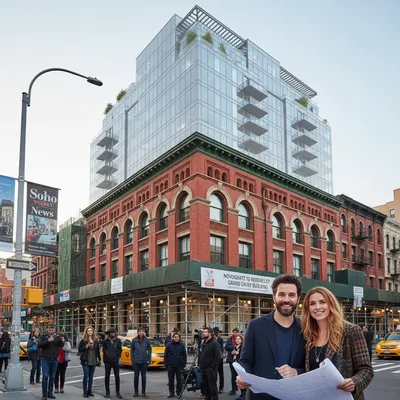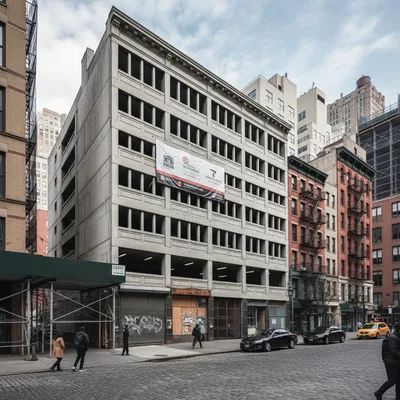
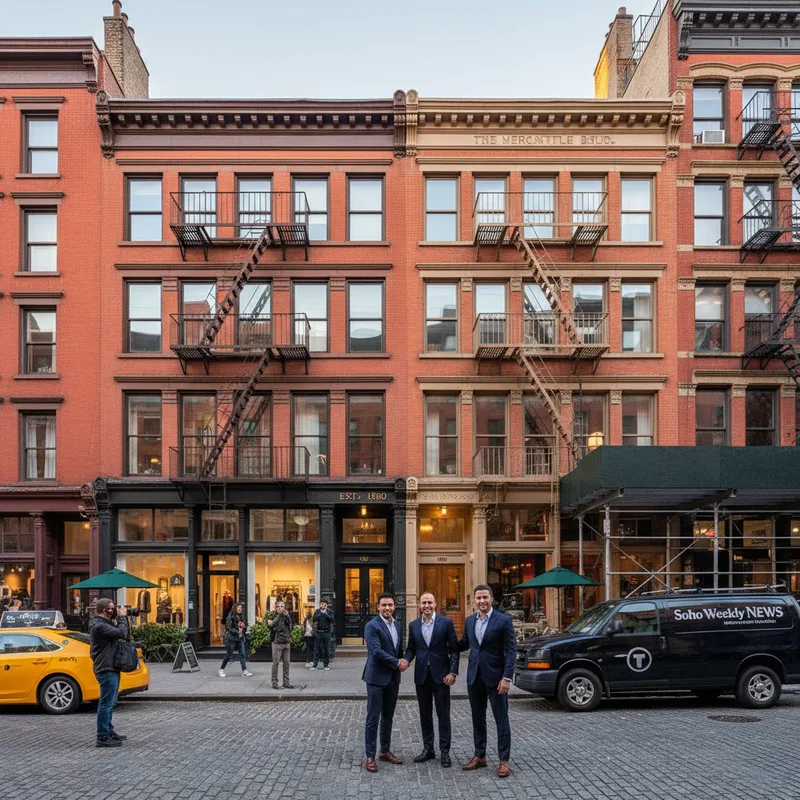
Real estate investors Michael and Ed Ostad have acquired two adjacent, mixed-use buildings in the heart of SoHo for $17.2 million, signaling continued strong investor appetite for well-located neighborhood assets. The properties, 159 and 161 Prince St., are five-story walk-ups that contain a total of 37 rental apartments and two ground-floor retail spaces, encompassing nearly 20,000 square feet.
The acquisition was financed with a loan from Derby Copeland Capital, a private real estate investment firm, in a deal arranged by Shamir Seidman of the major commercial real estate services company CBRE. The transaction was notably swift, with the financing being secured in just 20 days to meet a 30-day closing deadline, a pace that underscores the attractiveness of the properties and the confidence of all parties involved.
Located between West Broadway and Thompson Street, the buildings are situated on one of SoHo's most iconic and heavily trafficked retail corridors. Prince Street is a premier destination for locals and tourists, lined with high-end boutiques, international flagship stores, and popular eateries, making it one of the most desirable retail locations in Manhattan. The area is a core part of the neighborhood's appeal, as detailed in any comprehensive SoHo shopping guide.
A closer look at the historic properties
Built in the early 1900s, the properties are quintessential examples of the neighborhood's architectural character. They fall within the SoHo-Cast Iron Historic District, which was designated by the New York City Landmarks Preservation Commission in 1973 to protect its unique concentration of cast-iron architecture. This designation ensures that the buildings' historic facades will be preserved, maintaining the aesthetic that makes SoHo a world-renowned destination.
The mixed-use nature of 159 and 161 Prince St. is a key element of their value. With residential units above and retail space at street level, the properties generate two independent streams of income. This diversification provides a hedge against market fluctuations in any single sector. While office vacancies have plagued other parts of Manhattan, SoHo's blend of residential, retail, and cultural spaces has proven to be a resilient and appealing model for investors.
These turn-of-the-century buildings represent a classic New York City real estate asset class: rent-stabilized apartments coupled with high-value commercial space. The 37 residential units offer a stable income base, while the two retail storefronts provide significant upside potential, given their location on a prime stretch of Prince Street. This combination of stability and growth opportunity makes such properties a coveted prize in the city’s real estate market.
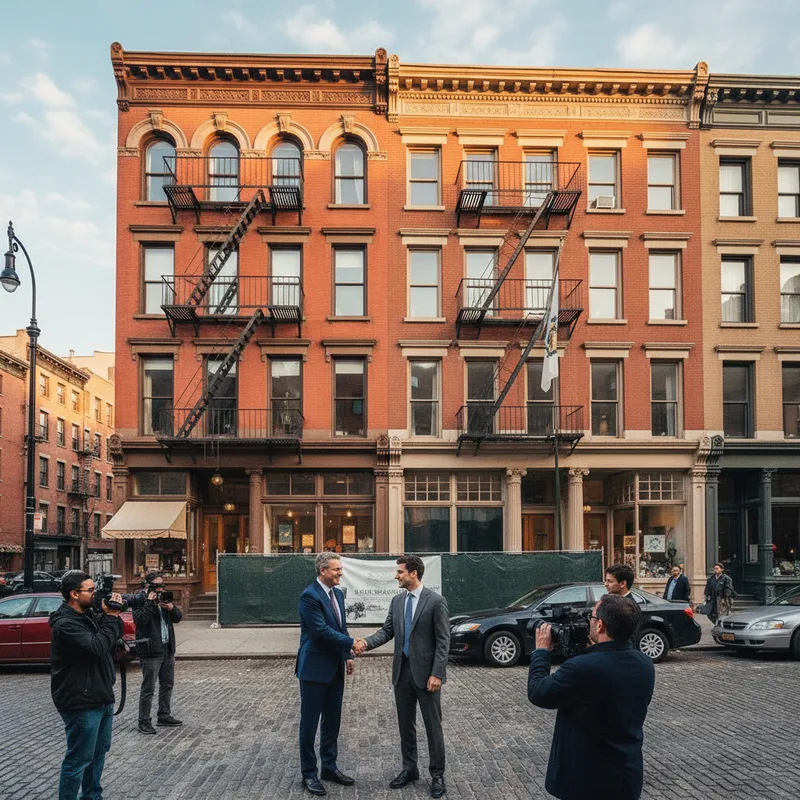
Rapid financing signals market confidence
The speed at which the financing was arranged speaks volumes about the perceived quality of the asset. A 20-day close for a multi-million-dollar loan on historic, mixed-use buildings is exceptionally rare and points to a clean, straightforward deal with strong fundamentals.
We are proud to have played an integral role in financing the acquisition of two such incredible properties. The two buildings offered our client a one-of-a-kind opportunity to purchase the assets at an excellent value.
Seidman’s comments highlight the buyer’s belief that they secured the properties at a favorable price. In a high-stakes market like SoHo, where property rarely trades, securing assets at an "excellent value" suggests a strategic and well-timed acquisition. For the lender, Derby Copeland Capital, the deal represents a secure investment in a prime, income-producing asset with a low-risk profile.
SoHo Market remains a safe bet
The purchase of 159 and 161 Prince St. is the latest in a series of major investments demonstrating SoHo's enduring appeal. The neighborhood continues to command high prices and attract significant capital, even as other commercial districts face uncertainty. For example, last year saw a major cash transaction when Vertex bought the fully-leased 61-63 Crosby St. for $53 million, reinforcing the area's status as a top-tier investment zone.
While development challenges can vary drastically by region, with some communities fighting industrial plans on environmentally sensitive land, SoHo’s primary challenges revolve around the preservation of its historic character. According to the Landmarks Preservation Commission, any alteration to buildings within the historic district requires a permit, ensuring that new investments respect the neighborhood's unique fabric.
The Ostad brothers' acquisition is a bet on the long-term stability and growth of SoHo. By investing in these classic mixed-use buildings, they are not only buying a piece of New York City history but also securing a foothold in one of its most vibrant and enduring neighborhoods. The deal suggests that for savvy investors, the allure of prime SoHo real estate remains as strong as ever, promising continued appreciation and reliable returns.