In a city where space is the ultimate luxury, New Yorkers are discovering that some of the most beautiful and functional rooms are hiding in plain sight. Hotel lobbies, once transient spaces reserved for tourists, are being reimagined as the city's unofficial living rooms and remote offices. For a growing number of professionals, these opulent settings offer a welcome alternative to the cramped coffee shop or the isolation of a home office.
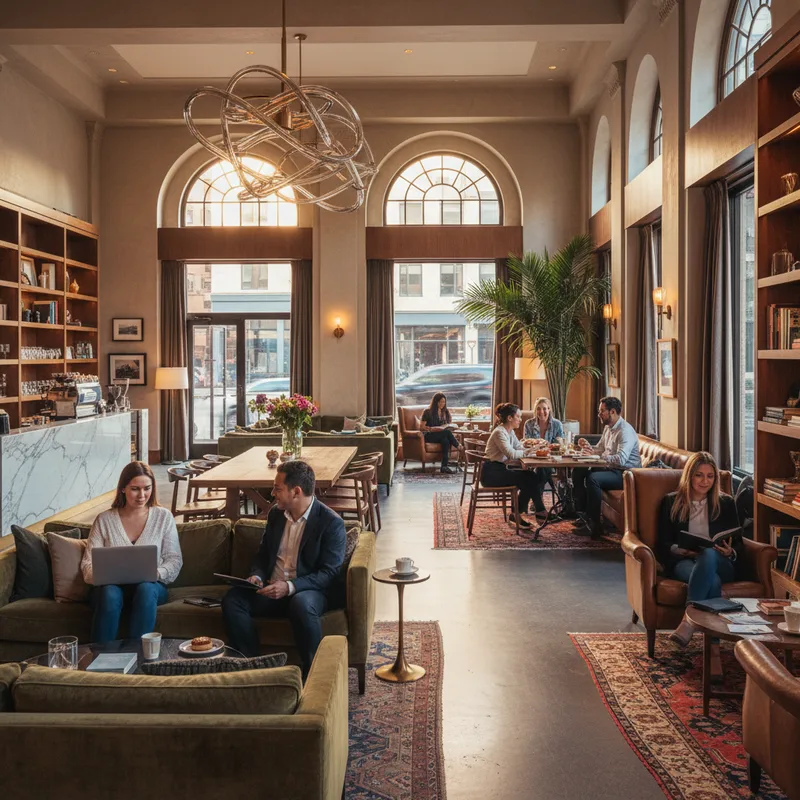
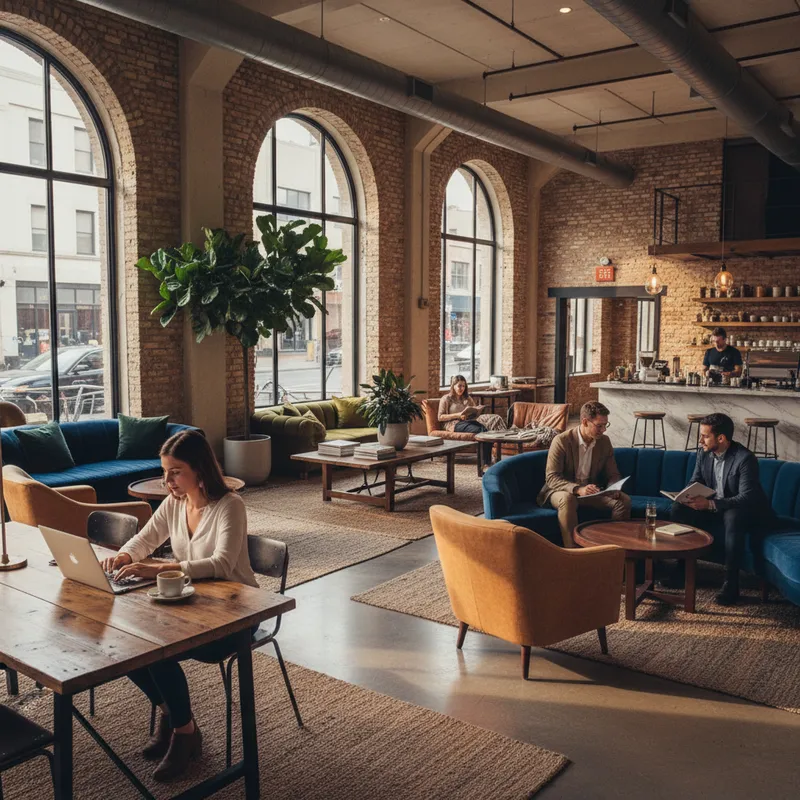
The shift reflects a broader change in work culture and the search for so-called 'third places'. environments outside of home and the office that foster community and productivity. Unlike the typical cafe, often plagued by laptop warfare over limited outlets and time-restricted tables, high-end hotel lobbies provide an elevated experience. They boast comfortable, design-forward furniture, reliable Wi-Fi, and an ambient buzz that is lively but not distracting. These are spaces designed for lingering, whether to plough through an inbox, hold a quiet meeting, or simply enjoy a well-made cocktail.
Of course, this newfound freedom comes with a set of unspoken rules. It is customary to order a drink or a snack every hour or so and to tip as one would in a restaurant. Taking loud, lengthy phone calls is frowned upon, as is creating a tangle of charging cords. The arrangement is a symbiotic one: patrons gain access to a luxurious workspace, and hotels monetize their common areas through food and beverage sales, creating a vibrant atmosphere that can attract both guests and locals.
From Greenwich Village to the Bowery
For those seeking a touch of literary history with their work session, The Marlton in Greenwich Village offers a portal to a bygone era. Decades ago, luminaries like Jack Kerouac and Edna St. Vincent Millay found inspiration within its walls. Following extensive renovations, the lobby retains a scholarly charm, centered around a welcoming fireplace and furnished with plush leather armchairs. While the hotel's footprint is modest, making shared tables common, its proximity to Washington Square Park provides a perfect excuse for a mind-clearing walk or an outdoor phone call.
A short distance away, The Bowery Hotel offers a distinctly different, yet equally alluring, atmosphere. Its lobby feels less like a public space and more like the private library of a wealthy, eccentric uncle. With dark wood coffered ceilings, multiple crackling fireplaces, and well-loved leather armchairs, the mood is intimate and subdued. This quiet, dimly lit environment is ideal for solo work and deep focus. While the staff may reserve tables for hotel guests during peak afternoon hours, the space is generally accessible, offering a surprisingly delicious bowl of Ribolita soup as a perfect companion for an hour of focused email correspondence.
Lower East Side and Brooklyn hotspots
Just outside SoHo, in the Lower East Side, The Swan Room at Nine Orchard has become a sanctuary for creative professionals and discerning travelers. While not technically a lobby, it functions as the hotel's primary gathering space, occupying a former bank teller room. The original vaulted ceilings and ornate details lend a sense of grandeur, while ample banquet seating and small tables cater to coffee meetings and solo work sessions. As the day progresses, The Swan Room seamlessly transitions from a serene daytime retreat into a buzzy evening bar, serving caviar and cocktails, reflecting the dynamic energy of the neighborhood itself.
Across the East River, Brooklyn offers its own share of stylish lobby workspaces. The Ace Hotel in Downtown Brooklyn features a sleek, midcentury modern-inspired lobby that buzzes with a social energy. A long communal table studded with outlets is a popular spot for laptop users, fueled by above-average cold brew. For those seeking a sunnier, light-filled environment, The Hoxton, Williamsburg is a prime destination. The lobby is airy and inspiring, but the main draw is its connection to K'Far, the first New York outpost of Philadelphia’s celebrated Israeli bakery. The availability of Jerusalem bagel egg sandwiches and world-class pastries makes it a particularly tempting place to spend a morning working.
The evolving role of hotel common spaces
The growing popularity of lobbies as multipurpose venues marks a significant shift in hotel design and management. Architects and interior designers are no longer treating these areas as mere passageways, but as destinations in their own right. These grand, welcoming spaces are becoming integral to the fabric of neighborhoods like SoHo, which are known for their vibrant street life and commercial activity. For a part of the city where real estate is at a premium, as seen in the ongoing debates around topics like the commercial rent control bill, the public-private nature of these lobbies offers a unique solution for adaptable urban space.
This trend provides a glimpse into the future of urban living, where the lines between public and private, work and leisure, continue to blur. It allows residents to experience a slice of luxury and a change of scenery without the expense of a hotel stay. It's a testament to the city's perpetual reinvention, where a quiet corner in a space designed for travelers, like the iconic Balthazar, can become a cherished local haunt. These lobbies are more than just beautiful rooms; they are active, evolving components of the city's social ecosystem.
As the remote work trend solidifies, more hotels are likely to embrace this model, consciously designing their common areas to accommodate the needs of a mobile workforce. The success of these spaces demonstrates a demand for environments that are not only functional but also inspiring and beautiful. For many New Yorkers, the best office in the city may just be a hotel lobby they can walk into, order a coffee, and feel right at home.