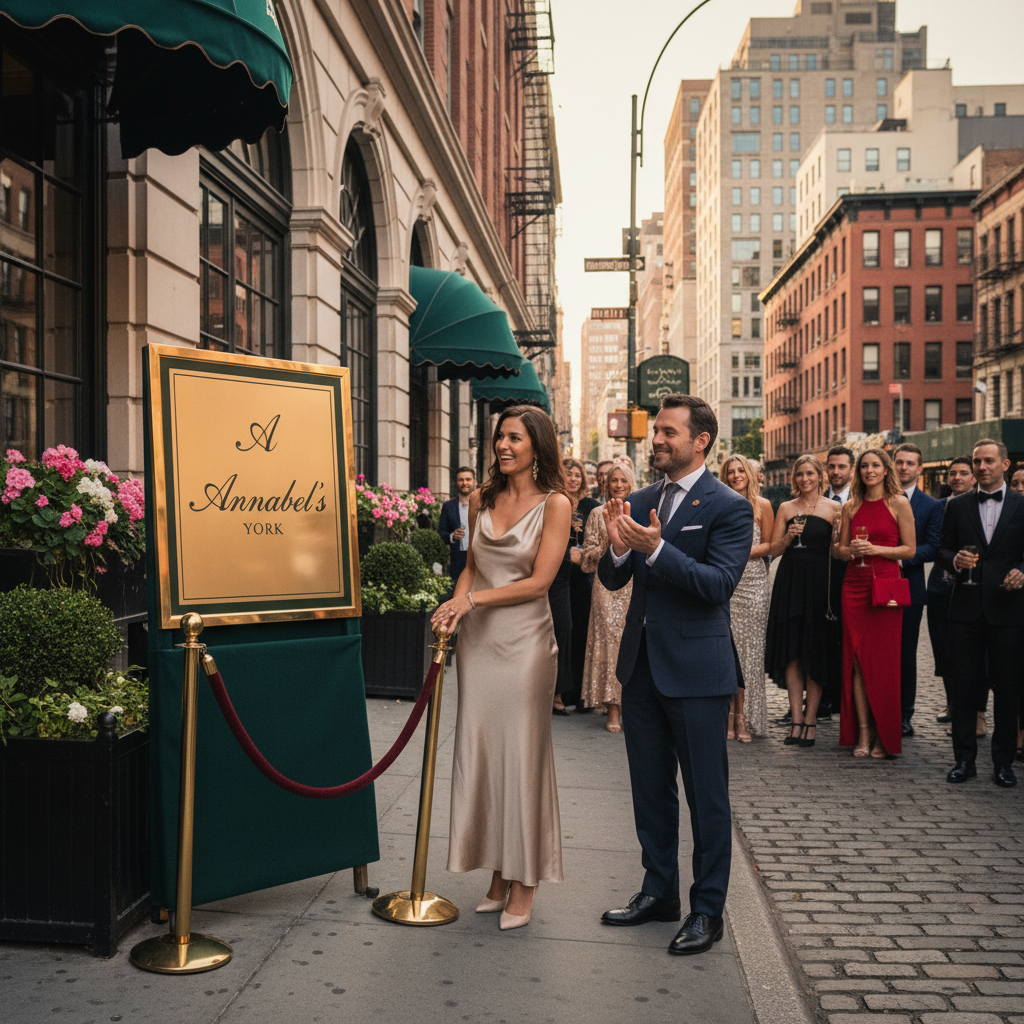
One of London’s most exclusive and storied private members' clubs, Annabel's, is preparing to open its first New York City location in the Meatpacking District. The new outpost, owned by restaurateur and hospitality magnate Richard Caring, will be located at the corner of Hudson and West 13th streets, bringing a significant dose of British high society to Manhattan's increasingly crowded club scene.
The opening marks a major milestone for the Annabel's brand, which has been a cornerstone of London nightlife for over six decades. The move signals a new chapter for Caring's hospitality empire, as he introduces the club's unique blend of aristocracy, celebrity, and opulence to an American audience. The specific opening date remains unannounced, but the club will occupy the space formerly held by the restaurant Dos Caminos.
The arrival of Annabel's injects a new level of competition into a market that has seen an explosion of private establishments in recent years. It joins other British import Soho House, which first landed in New York in 2003 and also has a location nearby, solidifying the neighborhood's reputation as a hub for exclusive social spaces.
A storied history of glamour and exclusivity
Annabel's was founded in 1963 by Mark Birley in the basement of the Clermont Club in London's upscale Mayfair neighborhood. He named it after his then-wife, Lady Annabel Goldsmith, and it quickly became a sanctuary for the era's elite, from aristocrats to international celebrities, all seeking refuge from the public eye and paparazzi. For decades, it was one of the few true nightclubs in the city, cultivating an atmosphere of unmatched prestige.
The club has been the backdrop for countless memorable moments, including a famous evening when Princess Diana and Sarah Ferguson, the Duchess of York, visited disguised as police officers just before Ferguson’s wedding to Prince Andrew, according to a story in Vanity Fair. More recently, the club relocated to a sprawling Georgian townhouse at 46 Berkeley Square and became famous for its lavish interiors, including an impressive grand staircase and a now-iconic, neon-pink ladies' room that became a phenomenon on social media.
Birley sold Annabel's and his other clubs to Richard Caring in 2007. Caring, a towering figure in the hospitality world who was also once the majority shareholder of the Soho House Group, expanded his portfolio to include hotspots like Sexy Fish in London and Miami. In 2019, Caring sold a 25% stake in his company, Caprice Holdings, to a former prime minister of Qatar for a reported $277 million. He is also said to be negotiating the sale of a majority stake in his most famous assets, including Annabel's, to an investment firm associated with the Abu Dhabi royal family, though a spokesperson declined to comment on the matter.
New York's new nightlife paradigm
Annabel's enters a Manhattan landscape that is fundamentally different from the one Soho House entered over two decades ago. The city is currently experiencing a boom in the private club sector, with new venues opening at a rapid pace. These modern clubs offer an alternative to both the traditional, old-world institutions of the Upper East Side and the flash-in-the-pan nature of public nightclubs. For many, they serve a similar function to the city's grand hotel lobbies, providing spaces for work, networking, and leisure, but with an added layer of privacy and exclusivity.
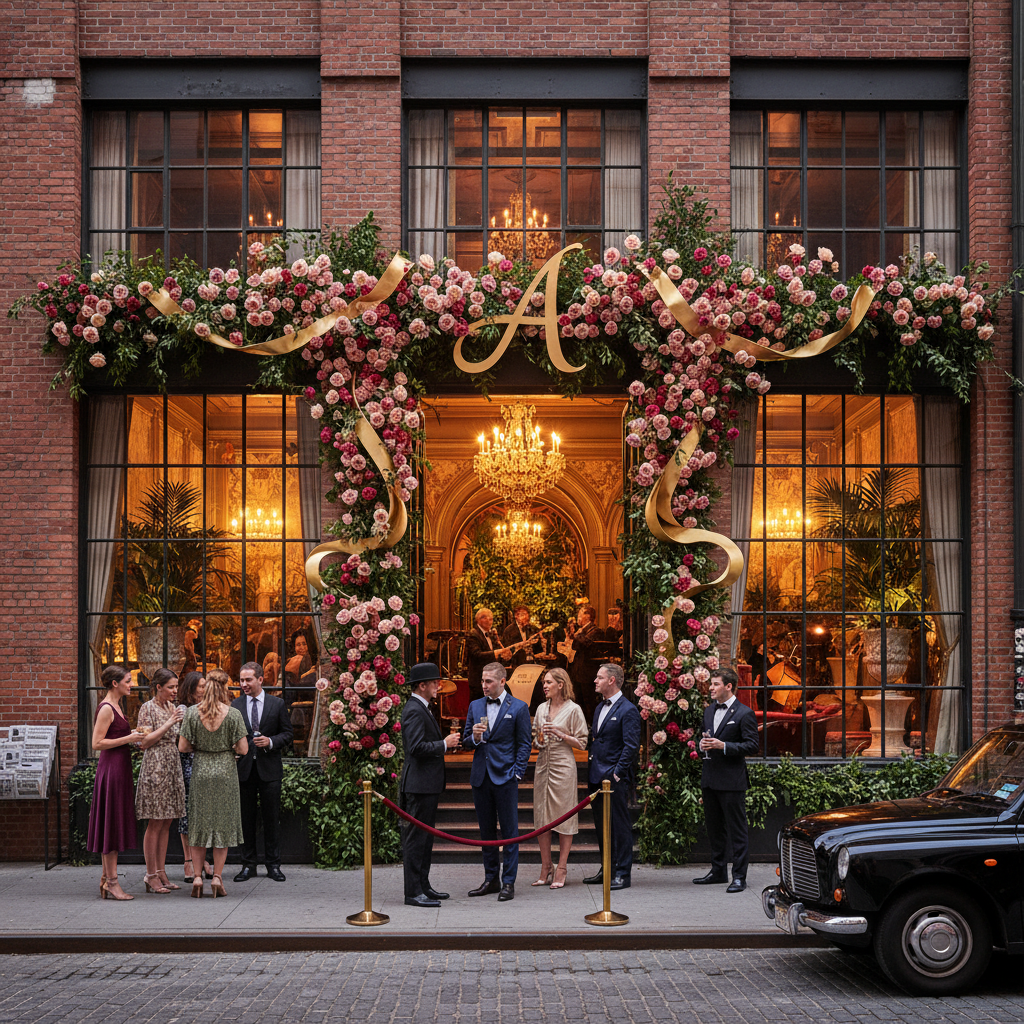
The Meatpacking District has emerged as the epicenter for a new, less "buttoned-up" style of private club, contrasting with the stricter, more formal atmosphere of uptown establishments like Maxime’s, which reportedly has rules restricting the size of same-sex dining parties. Annabel's will be just a stone's throw from Jean-Georges Vongerichten's popular Chez Margeaux and the original New York Soho House, placing it at the heart of the action.
Nightlife veteran Richie Romero notes that the business model is driving the trend. "Rent is so high that if you can have members, you can build [profit-and-loss statements] that make sense," he said, observing that the large sums once spent on bottle service are now being channeled into annual membership fees. The challenge of high commercial rents is an ongoing issue for businesses across the city, with many landlords opposing measures aimed at rent control.
An oversaturated market?
With so many options available to discerning New Yorkers, some are beginning to question if the market is reaching a saturation point. "My only hesitation is time," said one local who holds memberships at over six private clubs, including Aman, Maxime’s, and Casa Cipriani. "When you join these clubs, you are financially tied to them and you feel compelled to go there." She admitted, however, that social dynamics often drive her attendance, adding, "But I know my friends will join, so I will be going with them and inviting them to my clubs."
This dynamic has created a new form of club-hopping, where groups of friends rotate through the various venues where one of them holds a membership. According to Romero, this model is built on scarcity. The long waiting lists, sometimes with tens of thousands of applicants, only increase the perceived value of the membership. "If 20,000 people are on the waiting list and you make it in, the membership is even more valuable," he explained. However, not everyone is convinced the boom can last forever. Nightlife expert turned restaurateur Stratis Morfogen believes a correction is inevitable. While these massive investments in hospitality are transforming neighborhoods, other large-scale projects, like the effort to address Maine's aging water infrastructure concerns, highlight the complex challenges of major capital expenditures.
My prediction is that like everything else, the demand is overstated and that in the next few years there will be a shakedown, and only a few will survive. The rest will be out of business.
The London look comes to Manhattan
While details about the New York club's specific amenities are still under wraps, the design is being led by a celebrated name. Martin Brudnizki, the interior designer responsible for the opulent look of Annabel's in London and The Surrey hotel in New York, will be crafting the space. His involvement suggests that the new club will mirror the luxurious and photogenic aesthetic of its London counterpart, which is renowned for its maximalist decor, rich textures, and bold colors.
The London club is a visual spectacle, a key part of its modern appeal. Its design is a deliberate move away from the more staid, wood-paneled rooms of traditional gentlemen’s clubs, embracing instead a vibrant and theatrical atmosphere that encourages social media sharing. Patrons can likely expect a similar commitment to high-impact design in the Meatpacking District location.
As the city's club scene continues to evolve, the arrival of a heavyweight like Annabel's raises the stakes. While its legacy and reputation are formidable, it will face stiff competition from both established players and other new entrants. Morfogen's prediction looms over the burgeoning market. For now, New York's elite awaits the opening, ready to see if Annabel's can replicate its London magic in the city that never sleeps.