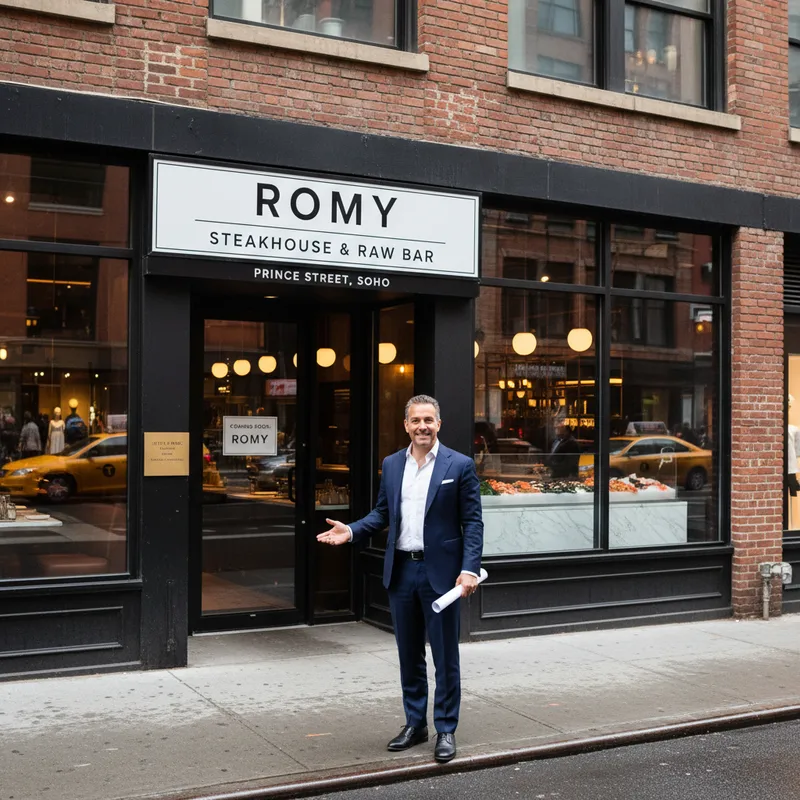
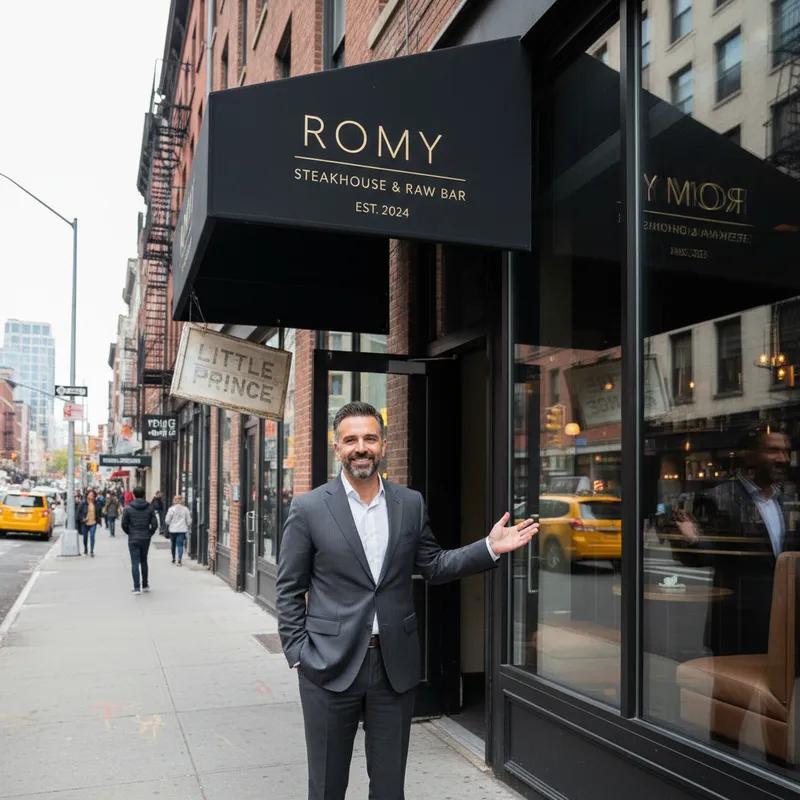
SoHo's vibrant dining landscape is set to welcome a new addition from one of the neighborhood's most successful restaurateurs. Cobi Levy, the creative force behind the popular Greek restaurant Lola Taverna and the French bistro Little Prince, is planning to open Romy, a neighborhood steakhouse, at 199 Prince Street. The new establishment will replace Little Prince, swapping French classics for premium American fare.
According to documents filed with the city, Romy is conceived as an intimate dining experience, with just 50 seats in its main dining room and no dedicated bar seating. The focused menu will feature raw bar selections, high-quality steaks, and classic side dishes, complemented by a full beverage program including beer, wine, and cocktails. The restaurant will cater to the evening crowd, with planned operating hours from 5 p.m. to 1 a.m. daily, positioning it as a new destination for both dinner and late-night meals in the heart of SoHo.
The decision to replace a beloved establishment with a new concept signals a strategic evolution for Levy. Little Prince has long been a fixture on Prince Street, known for its romantic ambiance and classic bistro offerings. By introducing Romy, Levy is betting on a new culinary direction for the prime location, moving from a Parisian-inspired menu to a classic American steakhouse format, albeit on a smaller, more personal scale.
A new chapter on Prince Street
Cobi Levy has established a significant footprint in New York's competitive restaurant scene. His nearby venture, Lola Taverna, is a perennial hotspot, celebrated for its lively atmosphere and modern Greek cuisine that attracts a fashionable crowd. The sustained success of both Lola Taverna and Little Prince demonstrates Levy’s acute understanding of the SoHo market and his ability to create destinations that resonate with both locals and visitors.
The transformation of 199 Prince Street from a French bistro to an American steakhouse reflects broader shifts in dining preferences and Levy's continuous effort to innovate. While the closure of Little Prince may be bittersweet for longtime patrons, the introduction of Romy represents a deliberate choice to refresh the space with a concept that aligns with current culinary interests. This move keeps the location within Levy's portfolio, ensuring a continued presence at a familiar address while exploring new gastronomic territory.
Operating within the SoHo–Cast Iron Historic District, restaurants face the challenge of creating a unique identity amidst iconic architecture and fierce competition. Levy's plan for an intimate steakhouse provides a distinct alternative to the grand, sprawling eateries often found in Manhattan, aiming to cultivate a loyal neighborhood following.
SoHo's Dynamic dining scene
Romy enters a neighborhood renowned for its culinary dynamism. The SoHo hospitality sector has seen a significant boom in recent years, with a constant influx of new cafes, bars, and high-profile restaurants. This includes the planned early 2026 opening of Or’esh from Eugene Remm and the spring 2026 debut of Impala by Super 8 Restaurants, indicating a healthy and growing appetite for new dining experiences in the area. Similar market shifts can be seen in health, where two Miami hospitals were sold to nursing home operators, reflecting broader trends in service-based industries. Success in this environment requires a clear vision and flawless execution, which Levy has demonstrated in his previous projects.
The area is not just a food destination but a cultural one, home to a dense concentration of world-class art galleries and boutiques. Establishments like Romy contribute to the neighborhood's ecosystem, providing sophisticated options for residents, shoppers, and art lovers alike. A well-executed restaurant becomes part of the draw, complementing destinations like the area's many creative spaces and SoHo's renowned art galleries.
The constant evolution of the neighborhood, which includes residential projects like the plan to convert a Tribeca parking garage into apartments, ensures a steady stream of new residents seeking quality local amenities. Romy appears perfectly positioned to appeal to this discerning demographic looking for a reliable and refined dining spot close to home.
An intimate alternative
The concept of a small, 50-seat neighborhood steakhouse is a notable departure from the city's larger, more formal temples of beef. By focusing on an intimate setting, Romy aims to foster a welcoming and personal atmosphere, distinct from the grandiosity of traditional steakhouse chains. The deliberate exclusion of bar seating further underscores a commitment to the dining experience itself, prioritizing patrons who are there for a complete meal.
This model could prove particularly appealing in a post-pandemic world where some diners prefer smaller, less crowded venues. The late-night hours also fill an important niche, offering high-quality food well after many other restaurant kitchens have closed. This could make Romy a go-to for post-theater diners, industry workers, and residents seeking a late supper.
Ultimately, Romy's success will depend on its ability to deliver on the promise of its concept: exceptional steaks and seafood in a setting that feels both exclusive and welcoming. With Cobi Levy's proven expertise in creating compelling restaurant experiences, Romy is poised to become a sophisticated and sought-after fixture in SoHo's ever-evolving culinary landscape. Its doors will be open nightly until 1 a.m., offering a new beacon for late-night dining in downtown Manhattan.