Overview & Character
SoHo, an acronym for "South of Houston Street," is one of Manhattan's most iconic and sought-after neighborhoods.
Renowned for its cast-iron architecture, art galleries, and upscale boutiques, SoHo exudes a unique blend of historical charm and contemporary chic.
The neighborhood is a global hub for fashion, art, and design, attracting a mix of discerning residents, international tourists, and creative professionals.
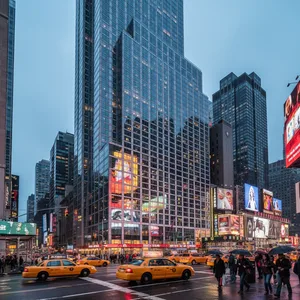
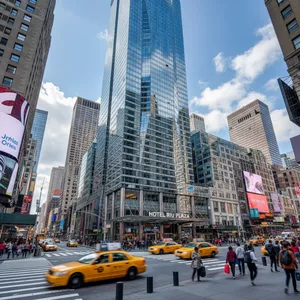
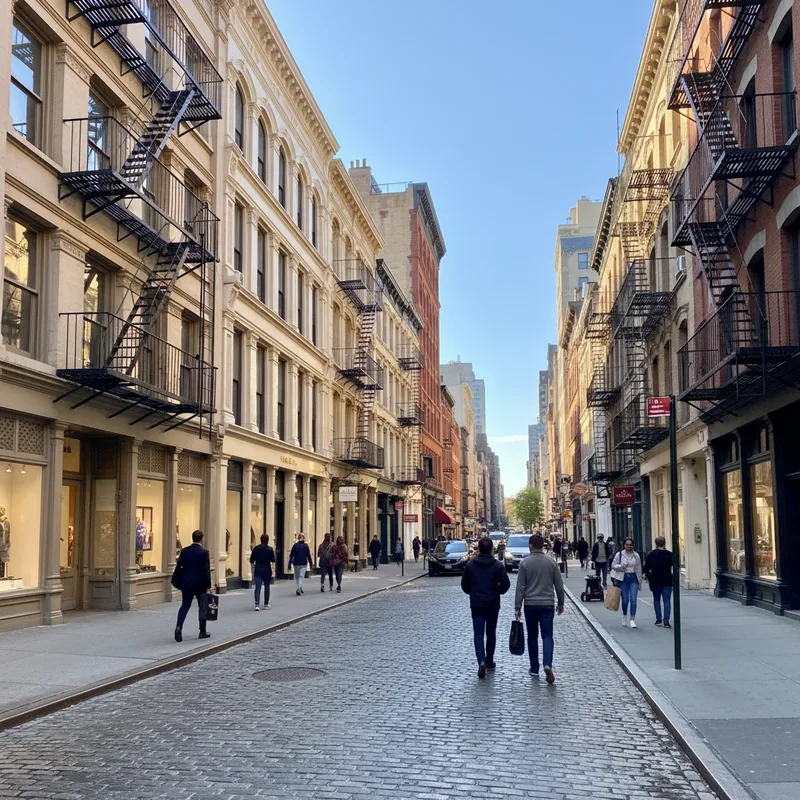
The vibe is unmistakably cosmopolitan and energetic, with cobblestone streets bustling with shoppers and diners day and night.
Originally a haven for artists in the 1960s and 70s who were drawn to the large, light-filled industrial lofts, SoHo has since evolved into one of New York City's most expensive and glamorous residential areas.
While the starving artists have largely been replaced by affluent professionals and celebrities, the neighborhood retains its creative soul.
The population consists of many young professionals, established figures in fashion and media, and families who appreciate the vibrant, amenity-rich urban lifestyle.
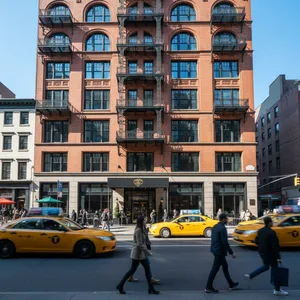
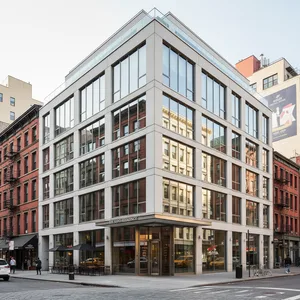
Living in SoHo means having world-class dining, shopping, and culture right at your doorstep, all set against a backdrop of stunning 19th-century architecture.
Location & Geography
SoHo is located in Lower Manhattan, bounded roughly by Houston Street to the north, Canal Street to the south, Crosby Street to the east, and Sixth Avenue to the west.
Its central location makes it a prime access point to other popular downtown neighborhoods.
It shares borders with Greenwich Village to the north, NoLita (North of Little Italy) to the east, Hudson Square and Tribeca to the west, and Chinatown to the south.
The neighborhood covers a relatively small area of approximately 0.67 square kilometers. The topography is entirely flat, as is typical for this part of Manhattan.
Its dense urban grid is characterized by its famous cobblestone streets and the architectural marvel of the SoHo-Cast Iron Historic District, which comprises the largest concentration of cast-iron buildings in the world.
Demographics & Population
As of the most recent census data, SoHo is home to a population of approximately 12,263 residents. The neighborhood has a dense urban feel and a population density that reflects its central Manhattan location.
The median age in SoHo is 38 years, indicating a resident base that is a mix of young professionals and established, mid-career individuals and families.
The demographic profile of SoHo is diverse and affluent. The racial makeup is approximately:
- 63.5% Caucasian
- 22.6% Asian
- 8.3% Two or more races
- 3.2% African American
The median household income is approximately $149,130 per year, significantly higher than the national average. The area has a high percentage of educated residents, with many holding bachelor's degrees or higher.
A significant portion of the population is foreign-born, with about 19.7% being naturalized citizens and 11.2% being non-citizens, reflecting New York's global character.
Property Market
The SoHo property market is one of the most expensive in the United States, characterized by its iconic loft apartments, historic cast-iron buildings, and luxury penthouses.
The market is highly competitive, attracting both domestic and international buyers seeking a prime Manhattan address. As of early 2026, the median sale price for a home in SoHo was approximately $3.2 million, showing a 4.2% increase year-over-year.
The median listing price often trends higher, around $4.15 million.
The price per square foot is a key metric in this area, averaging around $1,770 to $2,100. The market can be fast-paced, though days on market can vary, with averages reported between 64 and 135 days depending on the property and market conditions.
The rental market is equally robust and expensive. The median rent is approximately $9,750 per month. A majority of residents (around 65%) rent their homes, while 35% are owner-occupiers.
From an investment perspective, SoHo real estate has historically shown strong appreciation. Its global appeal, unique architectural character, and central location provide a stable foundation for long-term value, though the high entry cost and potential for market fluctuations are key considerations for investors.
Education
SoHo is served by New York City's public school system, which is generally rated as above average. While there are not many schools located directly within SoHo's small footprint, several highly-regarded institutions are in and around the neighborhood.
Nearby schools serving the SoHo community include:
- P.S. 3 Charrette School: A well-regarded public elementary school located nearby in Greenwich Village, known for its progressive arts-centric curriculum.
- Broome Street Academy Charter High School: A public charter high school located in SoHo that provides a unique support system for its students.
For higher education, SoHo is in close proximity to some of the world's leading universities. New York University (NYU)'s main campus is located just north of the neighborhood, and other institutions like The New School and Cooper Union are also easily accessible.
Transport & Getting Around
Transportation in SoHo is exceptionally convenient, earning it a top rating for accessibility. As a centrally located Manhattan neighborhood, it is well-served by an extensive public transport network. The walkability score is extremely high; residents can accomplish most daily errands on foot.
- Subway: SoHo is a major subway hub. Key stations include Prince Street (N, R, W trains), Spring Street (4, 6, C, E trains), and Broadway-Lafayette Street (B, D, F, M trains). These lines provide quick access to Midtown, Brooklyn, and other parts of the city.
- Bus: Numerous bus routes run through and around the neighborhood, providing comprehensive surface transit.
- Driving: Like most of Lower Manhattan, driving and parking can be challenging due to traffic congestion and limited, expensive parking garages. Most residents opt for public transit or walking.
- Airports: The three major airports are all accessible from SoHo. LaGuardia Airport (LGA) is the closest, followed by John F. Kennedy International Airport (JFK) and Newark Liberty International Airport (EWR).
Parks, Recreation & Lifestyle
Despite its dense urban environment, SoHo offers pockets of green space and excellent recreational opportunities. The lifestyle is active, social, and centered around the neighborhood's cultural offerings. While SoHo isn't known for large parks, several smaller public spaces provide an urban oasis for residents.
Local parks and playgrounds include Vesuvio Playground and Petrosino Square, which offer seating, play areas for children, and community gathering spots.
The close proximity to the Hudson River Greenway also provides extensive paths for running, biking, and walking with scenic waterfront views.
The Health & Fitness scene is robust, with numerous high-end gyms, yoga studios, and wellness centers scattered throughout the neighborhood.
Shopping & Dining
SoHo is a world-renowned shopping and dining destination. The neighborhood offers an unparalleled retail experience, from luxury designer flagships to independent boutiques and major international brands.
The main shopping thoroughfares include Broadway, Prince Street, and Spring Street, where you can find everything from Chanel and Prada to Zara and Uniqlo.
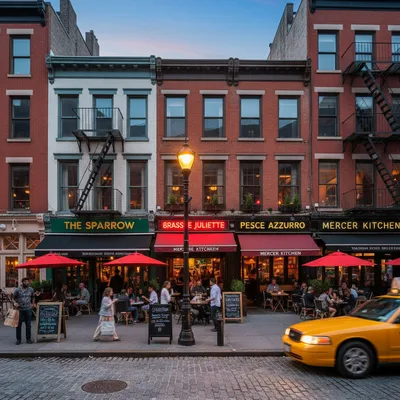
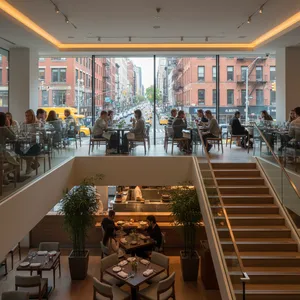
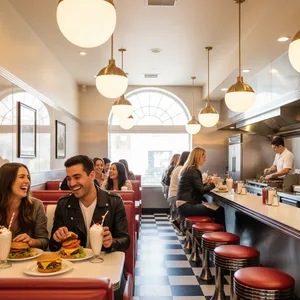
The dining scene is equally impressive, boasting a high concentration of acclaimed restaurants, trendy cafes, and lively bars. The culinary landscape is diverse, offering everything from classic French bistro fare to modern American and international cuisine. Some notable and long-standing establishments include:
- Balthazar: A famous, bustling French brasserie that has been a SoHo institution for decades.
- Raoul's: An intimate, classic French bistro known for its steak frites and lively atmosphere.
- The Dutch: A popular spot for upscale American comfort food and brunch.
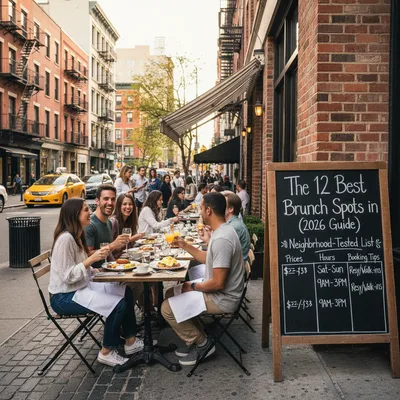
The cafe culture is strong, with countless spots for residents to grab a coffee, work remotely, or socialize. The neighborhood's nightlife is vibrant, with a wide array of bars and lounges that cater to a sophisticated crowd.
History & Heritage
SoHo's history is a story of dramatic transformation. Initially farmland, the area developed into a wealthy residential neighborhood in the early 19th century. By the mid-1800s, it had become a commercial and entertainment hub.
Following the Civil War, the area transformed into an industrial district for textiles and manufacturing, known colorfully as "Hell's Hundred Acres." During this period, its signature cast-iron buildings were constructed, a cost-effective method for creating ornate facades.
By the mid-20th century, the industries had moved out, leaving the large buildings mostly vacant.
In the 1960s and 70s, artists, including Donald Judd and Andy Warhol, were attracted to the vast, post-industrial lofts, which were illegal to live in but offered cheap rent and massive studio space.
They fought for and won the right to live and work in the area, creating the vibrant artistic community that defined SoHo for decades.
In 1973, the neighborhood was designated the SoHo-Cast Iron Historic District, preserving its unique architectural identity for future generations.
Community & Events
The community in SoHo is a dynamic mix of long-term residents, newcomers, and a constant flow of visitors.
While the pioneering artists have largely been priced out, the creative spirit persists through the numerous art galleries that still line the cobblestone streets.
Gallery openings and art exhibitions remain a staple of the social scene, bringing together artists, collectors, and enthusiasts.
While there are few large-scale annual festivals exclusive to SoHo, the neighborhood participates in city-wide events and hosts numerous fashion-related functions, product launches, and pop-up events.
The vibrant street life itself fosters a sense of community, with residents gathering at local cafes, restaurants, and parks. Community is often formed around shared interests in fashion, design, food, and the arts.
Safety & Services
SoHo is a high-traffic, bustling neighborhood that is generally considered safe, benefiting from a constant "eyes on the street" presence due to its popularity with both locals and tourists. The area is served by the New York City Police Department (NYPD), primarily the 1st and 5th Precincts, which maintain a visible presence.
For healthcare and emergency services, several major hospitals are located a short distance away in Manhattan. The nearest facilities include NewYork-Presbyterian Lower Manhattan Hospital and various clinics associated with NYU Langone Health. The Fire Department of New York (FDNY) also has stations nearby to serve the community.
Development & Future
The future of SoHo is shaped by its status as a historic, yet ever-evolving neighborhood. A significant recent development has been the SoHo/NoHo Neighborhood Plan, a rezoning initiative approved by the city.
The plan aims to allow for more residential development, including provisions for affordable housing, and to update zoning regulations that were established when the area was primarily industrial.
This rezoning is expected to bring changes to the neighborhood, potentially increasing the residential population and creating a more diverse mix of housing options. It also aims to provide clearer regulations for ground-floor retail.
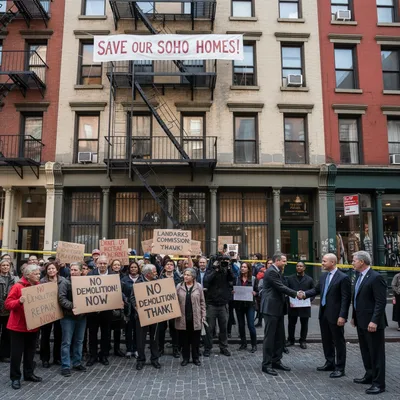
The long-term impacts will be closely watched, with ongoing debate about balancing new development with the preservation of the neighborhood's unique historic and artistic character.
Living in SoHo: Pros & Cons
For those considering a move, here is a balanced look at the advantages and disadvantages of life in SoHo:
- Pro: World-Class Amenities. Unparalleled access to some of the city's best shopping, dining, and art galleries.
- Pro: Unbeatable Location. Central downtown location with fantastic public transport links to the rest of the city.
- Pro: Stunning Architecture. Living in a historic neighborhood with beautiful and unique cast-iron buildings and cobblestone streets.
- Pro: Vibrant Atmosphere. A lively, energetic environment with always something to see or do.
- Con: Extremely High Cost of Living. Real estate, whether renting or buying, is among the most expensive in the world.
- Con: Tourist Crowds. The streets, particularly on weekends, can be overwhelmingly crowded with tourists and shoppers.
- Con: Noise Levels. As a busy commercial and social hub, the neighborhood can be noisy at all hours.
- Con: Lack of Large Green Spaces. While there are small parks, those seeking expansive lawns or nature must travel elsewhere.