Overview
The Manhattan Institute for Policy Research is a leading American 501(c)(3) non-profit think tank based in New York City. Established in 1978, this independent organization is dedicated to fostering economic choice and individual responsibility.
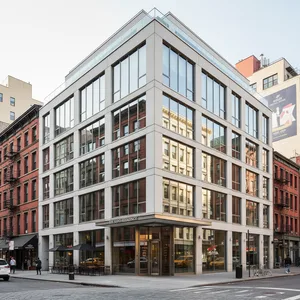
While its headquarters are located in Midtown, its research and policy recommendations have a significant impact on urban affairs and domestic policy across all of New York, including the vibrant neighborhood of SoHo, Manhattan.
The Institute operates as a research organization, engaging with policy experts, journalists, and the public, rather than a traditional educational institution with student enrolment.
As a private, non-profit entity, the Manhattan Institute is focused on in-depth analysis and debate across a range of public policy issues. It is not a school and therefore does not have year levels or a student body.
Instead, it employs a team of fellows and scholars who produce articles, reports, and books, and participate in public events.
Its work is guided by a mission to keep America's great cities, including New York, prosperous, safe, and free through creative and bold policy solutions.
Research Areas & Policy Focus
Instead of a traditional curriculum, the Manhattan Institute's intellectual life revolves around its key research centers and policy areas.
The Institute's scholars and fellows are experts in fields that directly affect the quality of urban life, from SoHo to the outer boroughs. Their work is disseminated through publications, most notably the esteemed quarterly magazine, City Journal.
The primary areas of policy focus include:
- Cities: Examining urban policy, housing, transport, and quality of life.
- Economics: Analyzing fiscal policy, regulation, and economic growth.
- Education: Developing policies to encourage high-performing schools and educational freedom.
- Governance: Researching issues of law, public-sector unions, and government accountability.
- Health Care: Exploring market-oriented solutions to health care challenges.
- Public Safety: A significant focus on crime, policing strategies, and the justice system.
- Technology & Innovation: Investigating the impact of technology on society and the economy.
Facilities & Campus
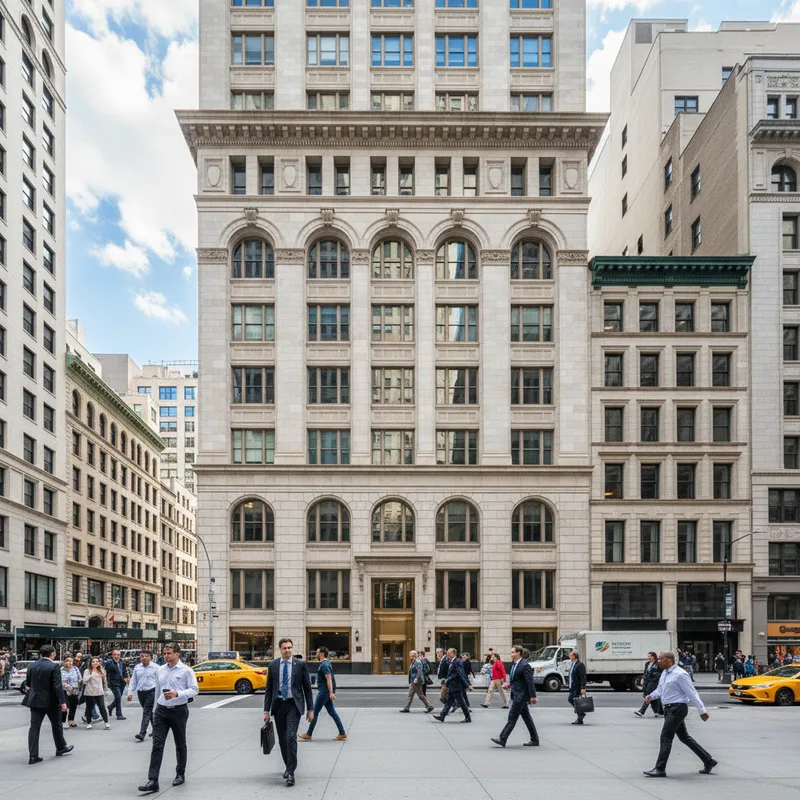
The Manhattan Institute is headquartered at 52 Vanderbilt Avenue, New York, NY, adjacent to Grand Central Terminal in Midtown Manhattan.
This central location provides an ideal base for its work, offering easy access for policymakers, scholars, and event attendees from across the city and the nation.
The facilities are not a campus in the traditional academic sense but consist of a modern, professional office environment.
The headquarters includes office space for its research fellows and administrative staff, meeting rooms for internal collaboration, and well-equipped venues for hosting public lectures, debates, and policy forums.
While not open to the public for general visits, these spaces are central to the Institute's mission of convening important conversations about public policy.
Publications, Events & Outreach
Engagement with the public and policymakers is a cornerstone of the Institute's work. Rather than extracurriculars, the organization focuses on a robust program of events and influential publications that bring its research to a wide audience.
These activities are a vital resource for anyone in New York, from community leaders in SoHo to students at uptown universities.
Key outreach initiatives include:
- City Journal: The Institute's flagship publication, offering a sophisticated, in-depth look at urban policy, culture, and public affairs.
- Public Events: A regular calendar of lectures, panel discussions, and debates featuring leading thinkers, authors, and policymakers. Many of these are free and open to the public, or available to stream online.
- Policy Research: A constant stream of reports, issue briefs, and op-eds that are published on its website and in major national media outlets.
Engagement & Support
As a non-profit think tank, the Manhattan Institute does not have an enrolment process or charge tuition fees. Instead, engagement is encouraged through participation in its intellectual life.
Interested individuals can subscribe to its newsletters, including updates from City Journal, to stay informed about its latest research and events.
The Institute's work is made possible entirely through donations from private individuals, foundations, and corporations.
There is no catchment zone, as its focus is on local, state, and national policy that affects everyone.
Financial support is crucial for its continued operation, and the Institute provides clear pathways for those who wish to contribute to its mission of promoting free-market principles and effective public policy.
All research and publications are available to the public free of charge on its website.
Operational Information
The Manhattan Institute operates on a professional business schedule, typically from 9:00 a.m. to 5:00 p.m. on weekdays.
As it is a research institute and not a school for children, it does not offer before or after school care, holiday programs, or have specific drop-off and pick-up arrangements.
The organization's events may be held during the day or in the evening, and details are provided for each specific event on its website.
Getting There
The Manhattan Institute's offices are centrally located and easily accessible via public transportation.
- Address: 52 Vanderbilt Avenue, New York, NY 10017.
- Public Transport: The headquarters is adjacent to Grand Central Terminal, providing access to the 4, 5, 6, 7, and S subway lines, as well as Metro-North Railroad services. Numerous city bus routes also service the area.
- Parking: Street parking is extremely limited in Midtown Manhattan. Several commercial parking garages are available nearby, but public transport is the most convenient option.
What Makes It Special
Founded in 1978 by Sir Antony Fisher and William J. Casey, the Manhattan Institute for Policy Research (originally the International Center for Economic Policy Studies) has a rich history of influencing public debate.
Its mission is to develop and disseminate new ideas that foster greater economic choice and individual responsibility.
The Institute is known for its rigorous research and the significant real-world impact of its scholarship, particularly in the realm of urban policy and public safety.
Under the leadership of its president, Reihan Salam, the Institute continues to be a prominent voice in conservative and libertarian thought.
It is perhaps best known for its publication, City Journal, which has been instrumental in shaping conversations about urban renewal and governance in New York City and beyond.
The Institute's commitment to independent, data-driven research on the challenges facing great cities makes it a unique and vital organization in the intellectual landscape of Manhattan.
,
,
,
],category: