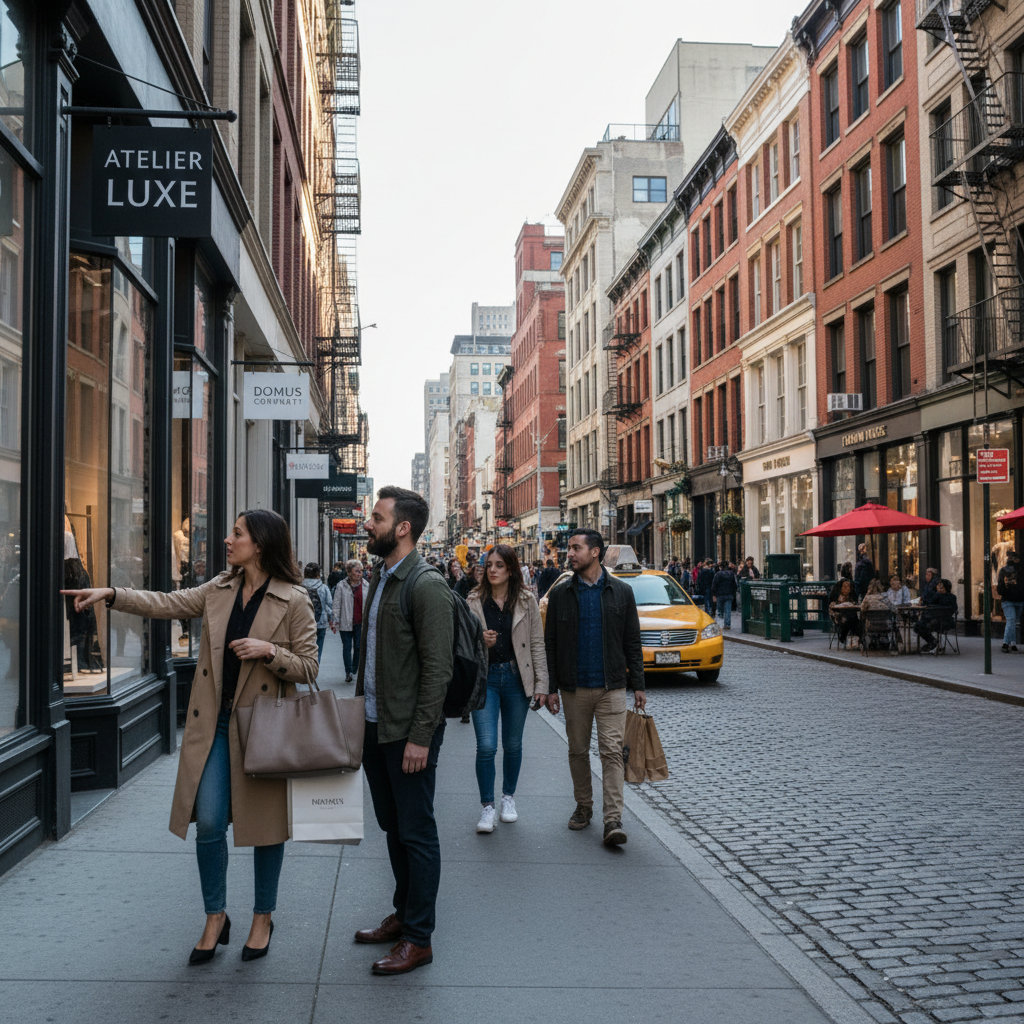
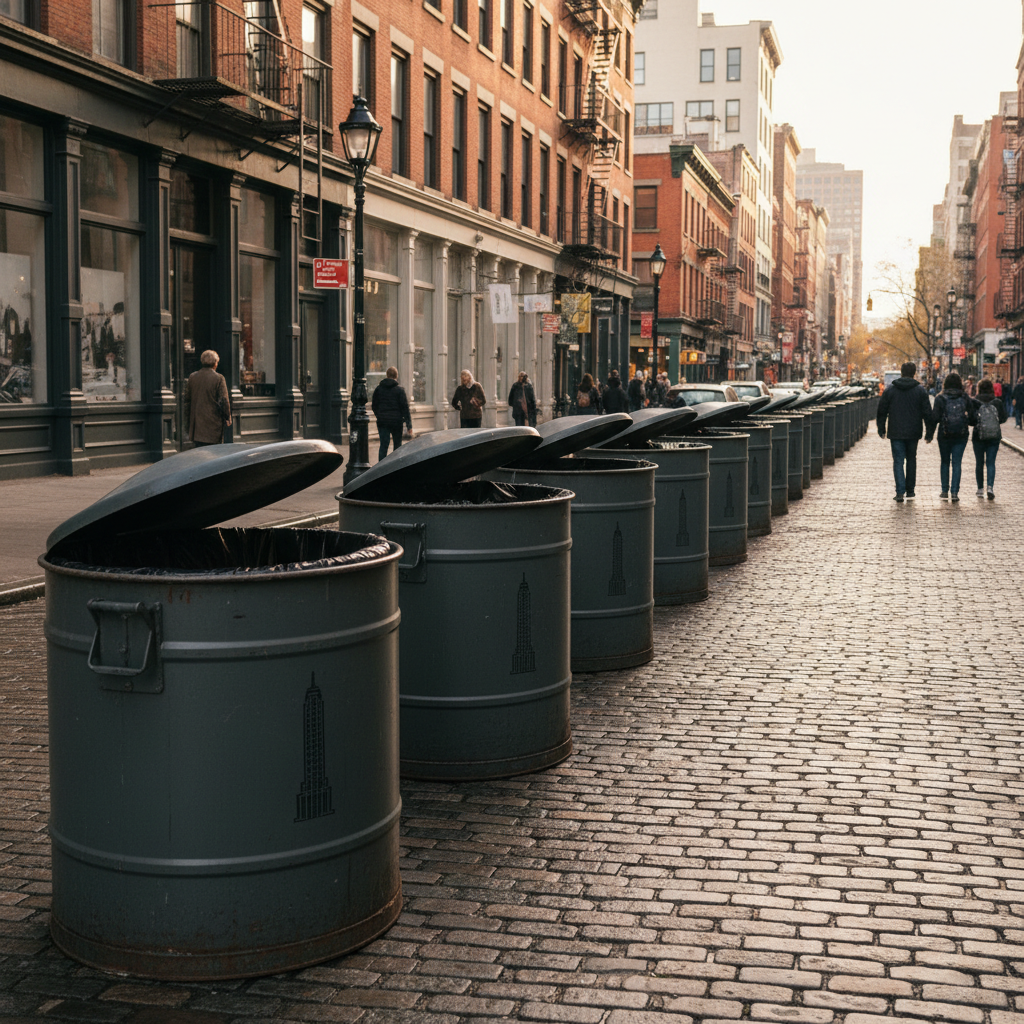
New York City is escalating its long-running battle against trash-strewn sidewalks, with Mayor Zohran Mamdani announcing a significant expansion of the city's street containerization program. The plan will bring thousands of large, sealed trash bins to neighborhoods across all five boroughs, including SoHo, eliminating piles of black garbage bags but also converting over 6,500 parking spaces to house the new containers.
The initiative aims to address one of the most persistent complaints of New Yorkers: the mountains of oozing trash bags that block sidewalks, create unpleasant odors, and provide a nightly feast for the city's notorious rat population. The expansion marks the next major phase in a citywide effort to modernize sanitation and reclaim pedestrian space.
Expanding the Empire Bin rollout
The large metal containers, dubbed “Empire Bins” under the previous administration, have already been deployed in a successful pilot program in West Harlem. These heavy-duty bins are designed to hold dozens of large trash bags at once, keeping all waste fully enclosed. They are inaccessible to the public and pests, as only authorized building staff with keycards can open them to deposit trash.
Servicing the bins requires a fleet of specialized automated side-loading trucks, representing a major investment in the Department of Sanitation's infrastructure. By securing the trash, the city hopes to drastically cut down on the food supply for rodents, which has been a primary driver of the containerization effort.
SoHo Gets major sanitation overhaul
By the end of 2027, the Mamdani administration plans to have the Empire Bins installed in at least one community district in every borough. For lower Manhattan, the rollout will include SoHo, the West Village, Little Italy, Greenwich Village, and Nolita. This promises a dramatic change to the streetscape of these bustling, historic neighborhoods.
The expansion extends city-wide. Other areas slated for the bins include the North Shore of Staten Island; Prospect Heights, Crown Heights, and Weeksville in Brooklyn; Sunnyside, Hunters Point, and Woodside in Queens; and multiple neighborhoods in The Bronx, such as Hunts Point and Fordham Heights. The move signals a clear commitment to tackling the garbage problem on a massive scale.
The cost of cleaner streets
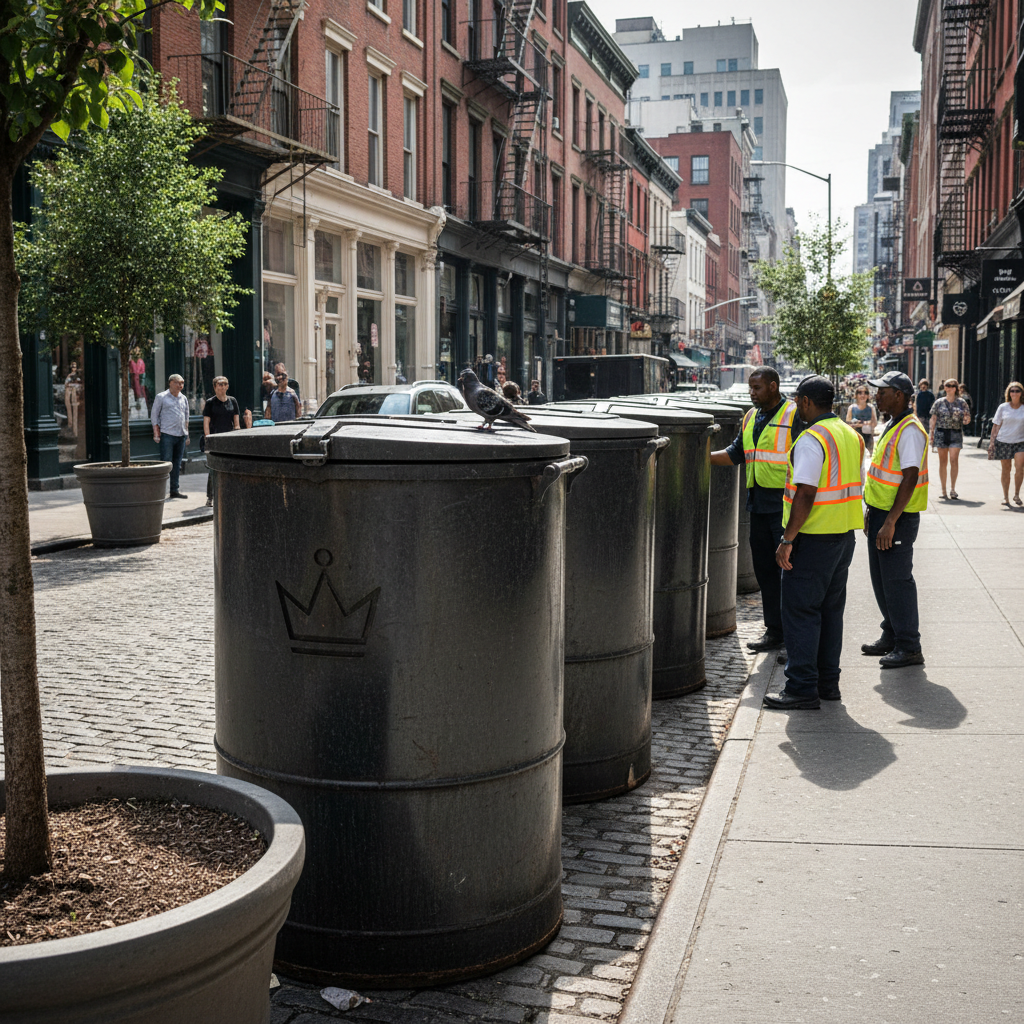
While the prospect of clear, walkable sidewalks is a welcome one for most pedestrians, the plan comes with a significant trade-off. To make room for the large containers on the streets, the city will convert more than 6,500 curbside parking spaces. The loss of parking is expected to intensify the already competitive search for spots in neighborhoods like SoHo, where parking is famously scarce.
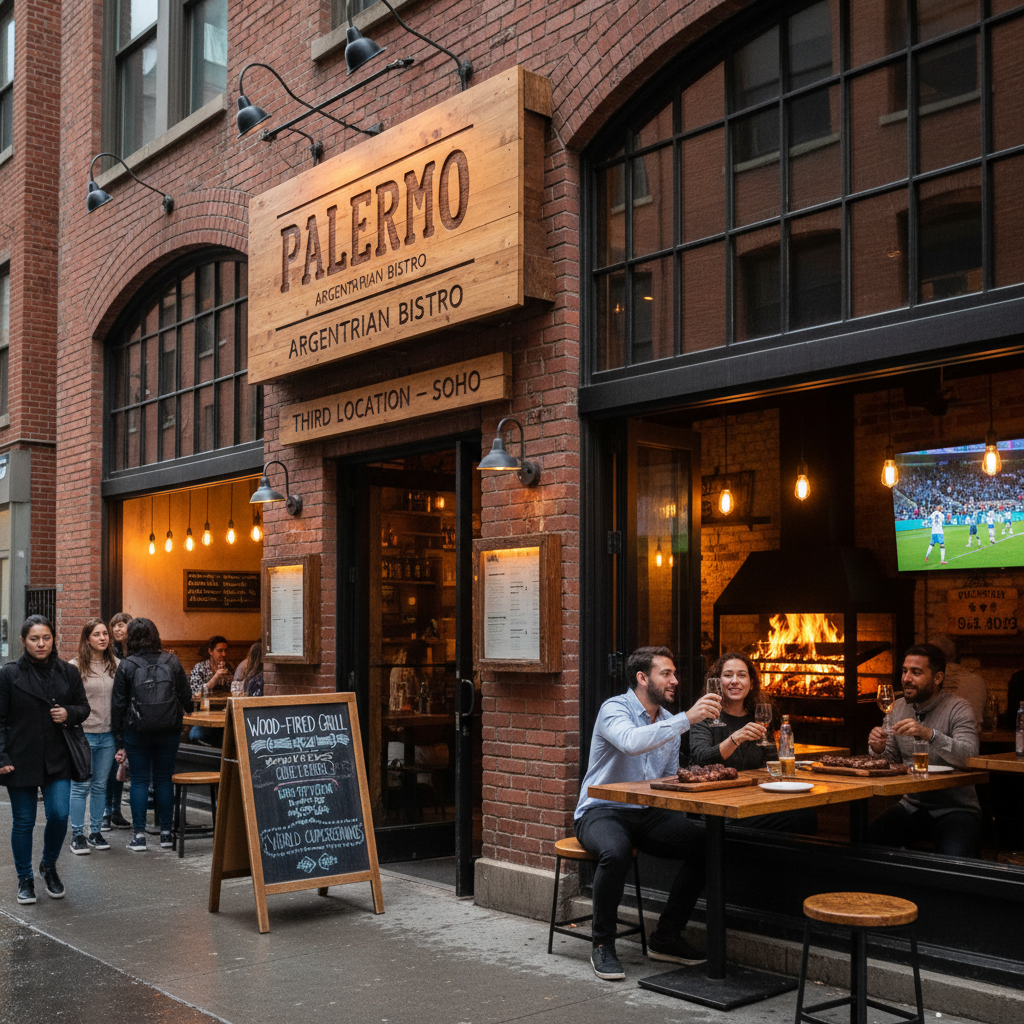
For residents and visitors who rely on cars, the change will present a major new challenge. However, for the millions who navigate the city on foot, the benefit is clear. Cleaner, wider sidewalks will improve accessibility and the overall quality of life, making it easier to enjoy neighborhood amenities, from local shops to the area's renowned restaurants and bars. The improved walkability could enhance the experience of an evening out at one of SoHo's best cocktail spots.
Part of a broader neighborhood transformation
The installation of massive steel bins is the latest in a series of top-down changes affecting SoHo's unique character. The move follows the controversial 2021 rezoning of SoHo and NoHo, which was enacted with the stated goals of promoting housing affordability and diversity. However, community groups like Village Preservation argued the rezoning would trigger the development of large, out-of-scale buildings and encourage the proliferation of big-box chain stores, ultimately making the neighborhood more expensive and less diverse. You can read more about their opposition on the official campaign page. This new sanitation infrastructure adds another layer to the ongoing conversation about the neighborhood's future. SoHo has a rich history of transformation, evolving from an industrial district of cast-iron warehouses in the early 20th century into a haven for artists and later, a global capital of fashion and retail, home to major brands like Nike. The debate over how to modernize city services while preserving the area's historic aesthetic continues, mirroring discussions in other cities over major public works, such as the debate surrounding a similar plan to upgrade a transfer station in Ballarat.
The timeline for a cleaner city
Mayor Mamdani has emphasized that this expansion is a key part of his promise to create a cleaner, healthier city for all residents. The administration has laid out a clear, albeit ambitious, timeline for the complete overhaul of the city's residential waste management.
We have the plan, we’re investing the money and we’re delivering on the promise of clean, healthy streets for every neighborhood.
The current phase aims to have bins in every borough by the end of 2027. Looking further ahead, the administration's ultimate goal is to achieve a full citywide rollout and implementation of the Empire Bin program by the end of 2031, potentially ending the era of the black trash bag on New York City's streets for good.