
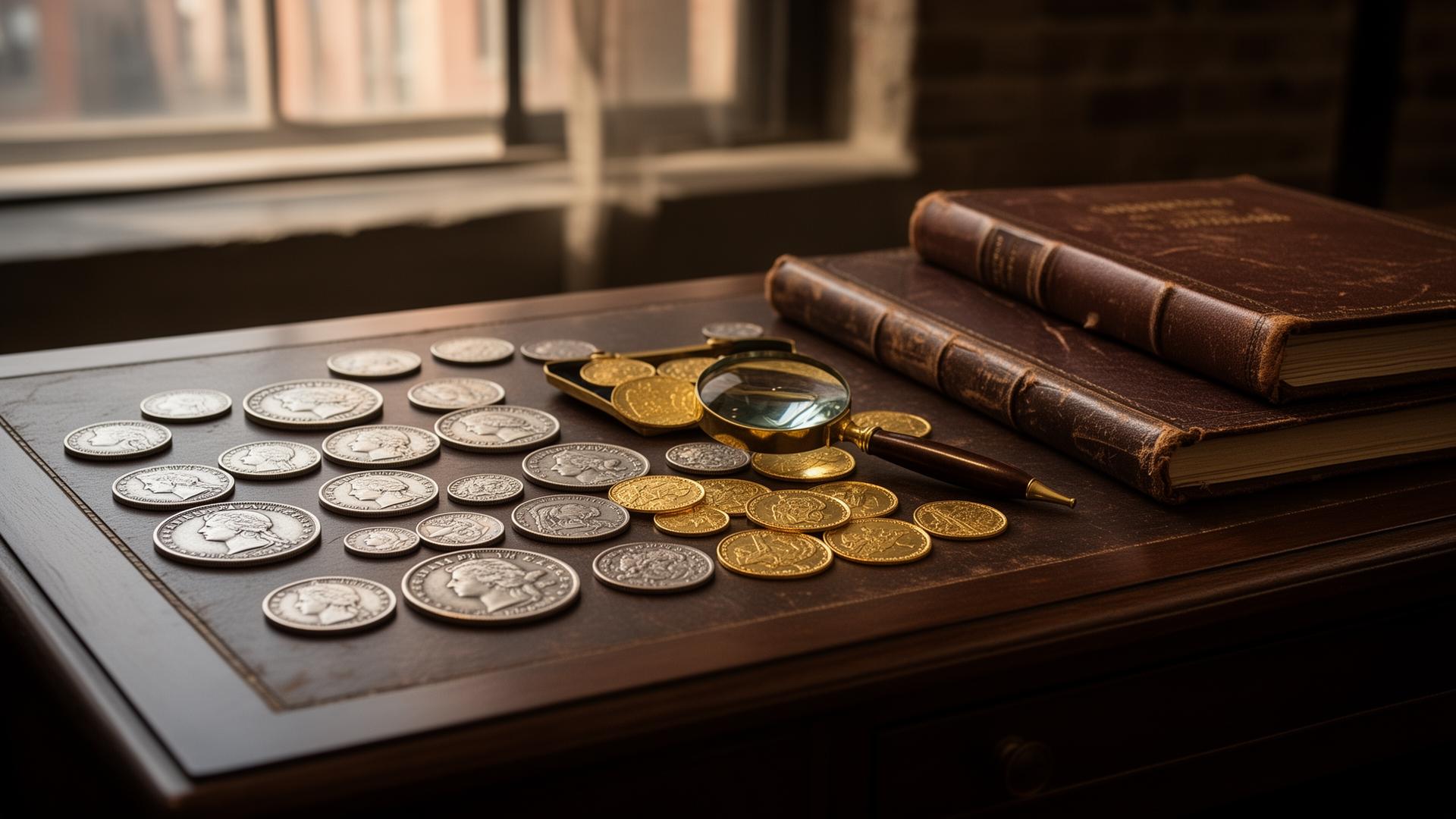
For much of modern numismatic history, collectors tended to stay within familiar geographic boundaries. American enthusiasts focused on Morgan dollars, Buffalo nickels, and historic US banknotes, while European collectors concentrated on ancient Roman coins, medieval issues, euro commemoratives, and national currencies that predated the euro. In 2026, however, those traditional collecting patterns are changing rapidly. A growing number of hobbyists are looking beyond national borders and building collections that combine American and European numismatic treasures.
Several factors are driving this shift. Global digital marketplaces have made international buying easier than ever, while educational resources and communities have expanded collectors’ knowledge far beyond their local markets. Tools such as the Best online coin and banknote catalog have further simplified research and identification, making foreign issues less intimidating for newcomers. As a result, a new era of “cross-border collecting” is emerging, one in which US and European numismatics increasingly overlap, creating a more connected and dynamic global collecting community.
Digital Marketplaces Have Made the World Smaller
The biggest catalyst behind cross-border collecting is the rise of digital commerce. Twenty years ago, acquiring a rare European coin from the United States often required specialized dealers, international travel, or personal connections. Today, collectors can browse thousands of listings from around the world without leaving their homes.
Online auction platforms have expanded access to inventory that was once confined to regional markets. A collector in Chicago can participate in an auction held in Germany, while a buyer in Spain can acquire a key-date American coin through a US-based dealer. Much like how international heritage events bring together enthusiasts from different countries, currency conversion tools, secure payment systems, and international shipping networks have significantly reduced the barriers that once discouraged overseas purchases.
The result is a much more interconnected marketplace. Collectors are no longer limited by geography; they are increasingly guided by rarity, historical interest, and personal preference. This accessibility has encouraged hobbyists to explore unfamiliar areas of numismatics and diversify their collections beyond domestic issues.
Shared History Is Inspiring Broader Collections
Another major reason for convergence is the growing appreciation of shared historical narratives. Coins and banknotes are tangible pieces of history, and many of the stories they tell transcend national borders.
Consider the historical links between Europe and North America. Colonial trade, migration, exploration, and political alliances created deep monetary connections that continue to fascinate collectors today. Interest in preserving and understanding historical heritage is also reflected in initiatives such as events dedicated to exploring local history and its wider social significance. Spanish silver coins circulated widely in early America, while European economic developments influenced the formation of US monetary policy.
Modern collectors increasingly view their collections as historical journeys rather than simply accumulations of objects. A collector interested in transatlantic trade may include both European merchant coins and early American currency. By combining pieces from multiple regions, collectors gain a richer understanding of the events and economic systems that shaped the modern world.
Standardized Grading Has Increased Confidence
One of the traditional obstacles to international collecting was uncertainty about authenticity and condition. Different regions often used different grading systems, making it difficult for buyers to compare coins accurately.
Today, internationally recognized grading services and authentication standards have helped create greater consistency. Collectors can evaluate foreign coins using familiar grading terminology, reducing uncertainty when purchasing internationally. This has been especially important for higher-value acquisitions, where confidence in condition and authenticity is essential.
The standardization of grading has also strengthened trust between buyers and sellers. Whether purchasing an American gold eagle or a rare European crown, collectors can make informed decisions based on widely accepted standards. This transparency has made cross-border transactions significantly more appealing and has encouraged broader participation in international markets.
Younger Collectors Are Thinking Globally
A new generation of numismatists is approaching the hobby with a global mindset. Unlike previous generations, many younger collectors have grown up in an interconnected digital environment where international communication and commerce are routine.
These collectors often focus on themes rather than countries. Instead of limiting themselves to US or European coinage, they may collect coins related to exploration, military history, famous leaders, transportation, or technological innovation. Such themes naturally span multiple regions and historical periods.
Social media has reinforced this trend. Platforms dedicated to collecting allow enthusiasts from different countries to share discoveries, discuss historical context, and showcase unique pieces. Exposure to international collections frequently sparks curiosity about foreign numismatic traditions, encouraging collectors to branch into new areas they might never have considered before.
Investment Strategies Are Becoming More International
The numismatic market has also benefited from growing interest among investors seeking diversification. While most collectors are motivated by history and enjoyment, many recognize that rare coins and banknotes can also function as alternative assets.
In recent years, collectors have increasingly looked beyond their domestic markets when evaluating long-term opportunities. American buyers are showing greater interest in scarce European issues, while European investors are exploring key US rarities with strong collector demand and established market performance.
This broader investment perspective reflects a larger trend in global finance. Just as investors diversify across different regions and industries, collectors are diversifying across numismatic markets. The ability to access international inventory more easily has made such diversification practical and attractive.
Auctions Are Creating Truly Global Communities
Major auction houses have become important meeting points for collectors from around the world. High-profile sales regularly attract participants from North America, Europe, Asia, and beyond, creating a truly international marketplace.
Live-streamed auctions and online bidding platforms have dramatically expanded participation. Collectors no longer need to travel to major sales in order to compete for important pieces. This accessibility exposes participants to a much wider variety of material and often introduces them to collecting areas outside their original interests.
Auction catalogs themselves have become educational resources. Detailed descriptions, historical essays, and high-quality images help collectors learn about unfamiliar coins and banknotes. Over time, this exposure contributes to growing demand for international material and encourages cross-border collecting habits.
Technology Is Transforming Numismatic Research
Research tools have advanced dramatically over the past decade, making foreign numismatic material easier to understand and identify. Digital catalogs, image-recognition technology, and searchable databases provide instant access to information that once required extensive library research.
Collectors can now identify obscure coins, compare market values, study historical context, and verify specifications within minutes. This accessibility has reduced the intimidation factor associated with collecting outside one’s primary area of expertise.
Artificial intelligence and machine-learning tools are also beginning to play a role in numismatics. These technologies can assist with identification, translation, and cataloging, making international collecting more approachable for hobbyists at every experience level. As research becomes easier, geographic boundaries continue to lose significance.
Conclusion
The convergence of US and European numismatics in 2026 represents one of the most significant developments in the modern collecting landscape. Driven by technology, digital commerce, standardized grading, global communities, and evolving collector preferences, the hobby is becoming increasingly international in scope.
Cross-border collecting is not replacing traditional specialties; rather, it is expanding opportunities for discovery. Collectors now have unprecedented access to foreign markets, historical perspectives, and educational resources. Whether motivated by history, investment potential, or simple curiosity, numismatists are embracing a broader view of the hobby than ever before.
As these trends continue, the future of collecting appears less constrained by national boundaries and more defined by shared interests and global participation. For collectors on both sides of the Atlantic, that future looks exceptionally promising.