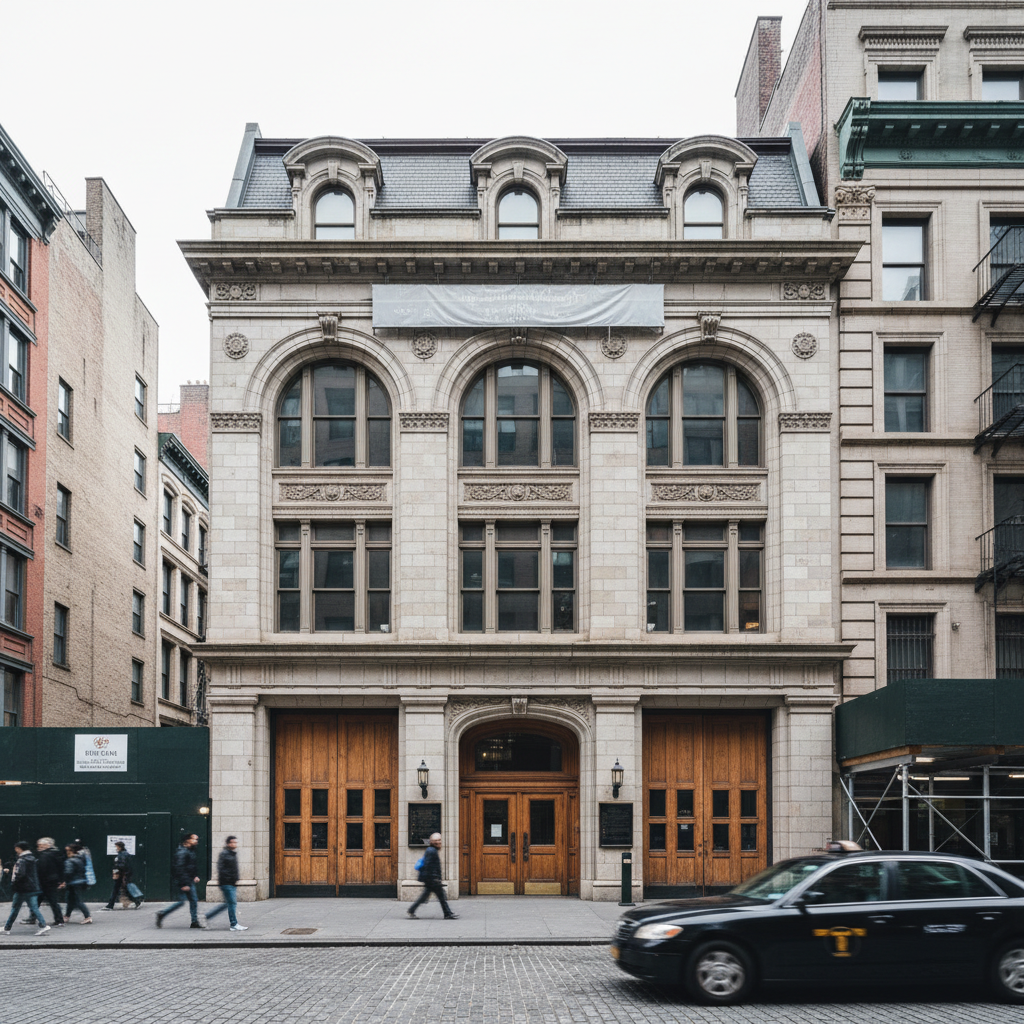
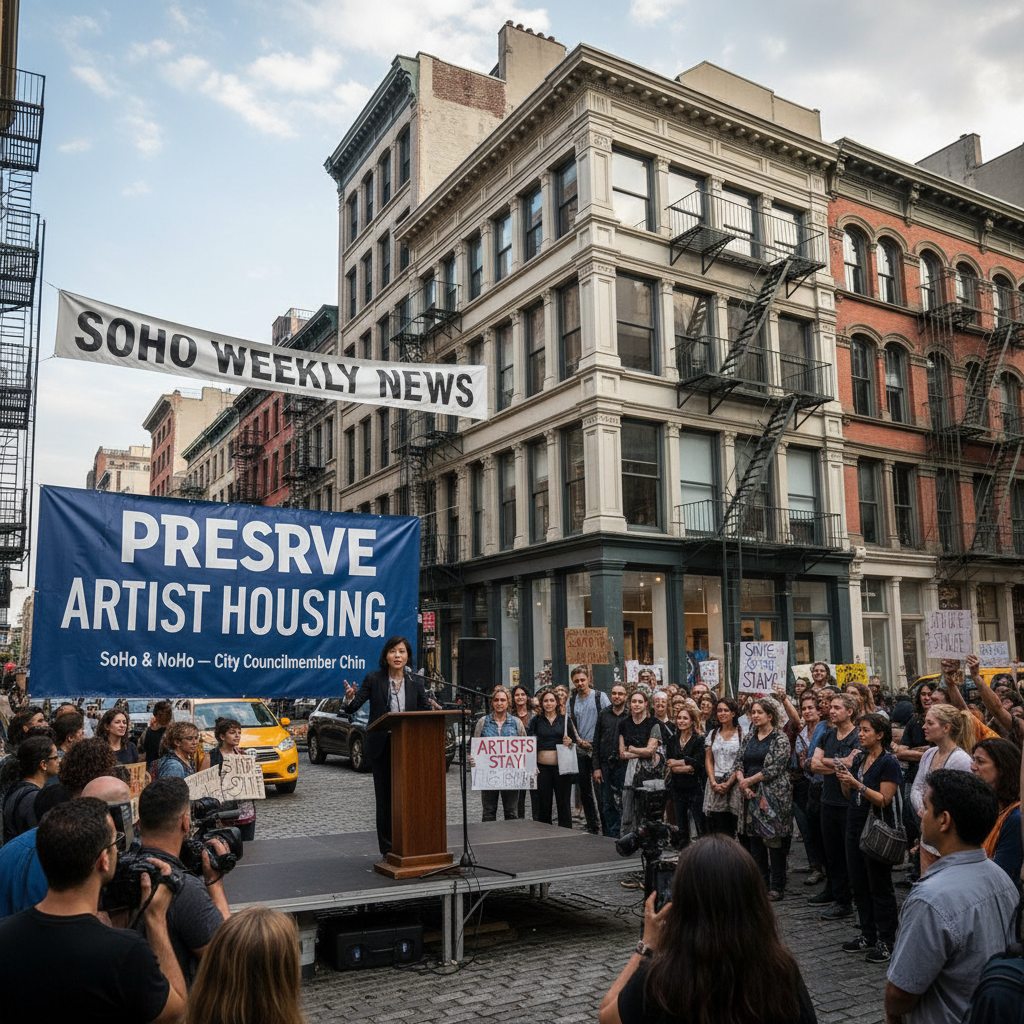
City Councilmember Margaret Chin is championing new legislation aimed at preserving affordable artist housing in SoHo and NoHo by significantly increasing penalties for landlords who violate the city’s artist-in-residence laws. The proposed bill targets a long-standing issue in the iconic neighborhoods: the illegal rental of legally designated artist lofts to non-certified, high-income tenants.
The move seeks to fortify the 1982 law, commonly known as the Loft Law, which was originally created to protect artists living and working in former industrial buildings. For decades, SoHo and NoHo have been defined by their Joint Live-Work Quarters for Artists (JLWQA), spaces legally reserved for individuals certified as artists by the city. However, lax enforcement and minimal fines have allowed landlords to increasingly rent these units on the open market, threatening the very cultural fabric the law was designed to protect.
This new legislative push comes at a critical time for a community grappling with soaring property values and the steady displacement of its creative class. Advocacy groups, like Village Preservation, have been vocal for years about the need to protect the architectural and cultural history of the area, which includes ensuring that artists can continue to live and work in the neighborhoods they helped pioneer.
The history of artist-in-residence laws
The story of SoHo and NoHo's artist lofts begins in the mid-20th century. As manufacturing companies abandoned the spacious cast-iron buildings in what was then an industrial zone, artists were drawn to the large, light-filled, and inexpensive spaces. They illegally converted these lofts into makeshift homes and studios, fostering a vibrant and trailblazing creative community that transformed the gritty area into a world-renowned cultural hub.
In recognition of this reality and the vital role artists played in revitalizing the neighborhoods, the city eventually moved to legitimize their presence. The 1982 Loft Law created the JLWQA designation, which requires that units in specific buildings be occupied by at least one resident who is a certified artist. This certification is granted by the New York City Department of Cultural Affairs to professional artists who can demonstrate a “serious, consistent commitment” to their work and a need for a live-work space.
This legal framework was a landmark compromise. It allowed artists to remain in their homes, preserved the unique character of the neighborhoods, and gave landlords a way to bring their buildings into compliance with residential safety codes. For a time, the system worked, cementing SoHo and NoHo’s identity as a haven for painters, sculptors, dancers, and musicians.
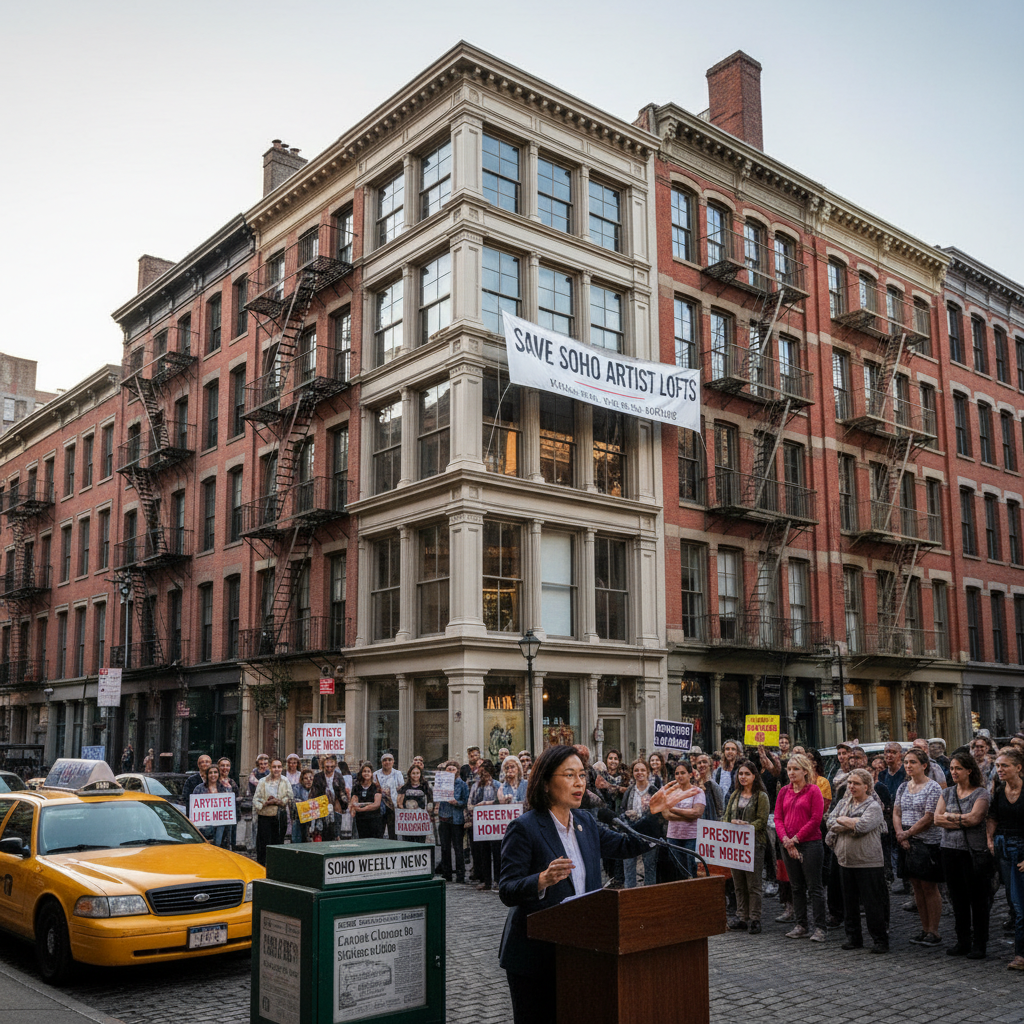
A law losing its teeth
In recent decades, the economic landscape of Lower Manhattan has shifted dramatically. SoHo, in particular, has transformed from a bohemian enclave into one of the world’s most exclusive and expensive shopping districts. The same lofts that once housed struggling artists are now coveted luxury properties, with landlords able to command rents far exceeding what most working artists can afford.
A key driver of this trend has been the lack of meaningful enforcement of the artist-in-residence requirement. The current fines for landlords who fail to rent a JLWQA unit to a certified artist are negligible, often seen as a minor cost of doing business. Consequently, many landlords do not make a good-faith effort to find artist tenants, instead offering the units to high-earning professionals who can easily pay the market rate. This practice has steadily eroded the artist population, replacing it with residents who have no connection to the area’s cultural history.
Councilmember Chin’s bill seeks to directly address this enforcement gap by dramatically increasing the financial penalties. The proposal would raise the fines to a level that would make it economically unviable for landlords to ignore the law, compelling them to follow the mandated process of finding and vetting certified artist tenants for these protected units.
Preserving a cultural legacy
For preservationists, the fight to keep artists in SoHo and NoHo is about more than just housing policy; it is about protecting the soul of New York City. The artistic community was not just a historical feature of the area but its primary architect. The influx of galleries, studios, and performance spaces created a unique urban environment that drew visitors and, eventually, immense investment. Allowing this foundational community to be priced out, critics argue, would turn SoHo into a hollow commercial district, a theme park of its former self, filled with high-end boutiques and wealthy residents but devoid of the creative energy that made it famous.
Community advocates argue that maintaining a genuine artist population is essential for the area’s long-term cultural and economic health. This sentiment is echoed in other artist-centric neighborhoods across the country which are fighting similar battles against gentrification, such as the area celebrated by the Venice Fest in Los Angeles.
The broader debate over housing in Downtown Manhattan often touches on affordability for all residents, not just artists, a central issue in local political races, as seen in Assembly District campaigns targeting housing costs. However, the JLWQA laws represent a specific and unique tool designed to preserve a particular cultural ecosystem. The success or failure of Chin’s new legislation could set a precedent for how the city balances development with cultural preservation in the years to come.
The bill will now move through the City Council’s legislative process, where it will be debated and potentially amended before a final vote is held.