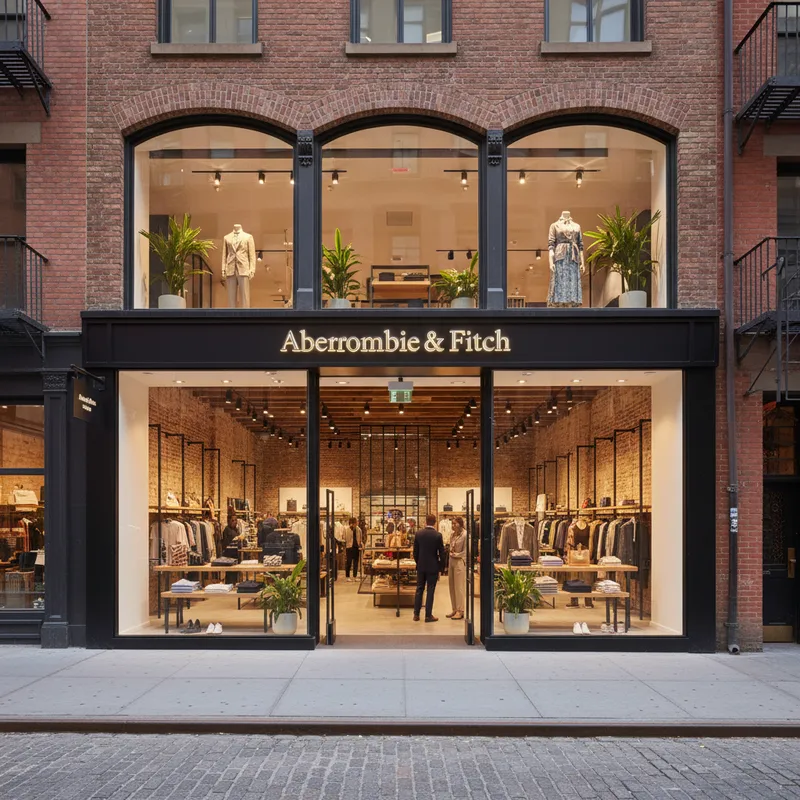
Apparel giant Abercrombie & Fitch has opened a new flagship store in Manhattan’s bustling SoHo neighborhood, unveiling a new design philosophy described as ‘Heritage Meets Modern.’ The opening represents a significant physical milestone in the retailer’s multi-year brand transformation, planting a firm flag in one of the world's most competitive and influential retail landscapes.
The new store marks a pivotal chapter for the company, which has worked meticulously to shed its controversial, exclusion-focused image of the late 1990s and 2000s. The once-ubiquitous brand, known for its dimly lit, cologne-saturated stores and logo-heavy apparel, has been reborn with a focus on inclusivity, quality materials, and a more sophisticated, adult aesthetic. This new SoHo location serves as the brick-and-mortar embodiment of that strategic pivot, replacing the moody and exclusive atmosphere of its past with one that is bright, open, and welcoming.
The move is a confident investment in the power of physical retail, even as e-commerce continues to dominate consumer habits. By establishing a major presence in SoHo, Abercrombie & Fitch is betting on the enduring importance of the flagship store as a vehicle for brand experience, customer engagement, and storytelling.
A brand reborn
For years, Abercrombie & Fitch was a cultural phenomenon, defining a specific, aspirational 'cool' for a generation of young shoppers. However, as cultural tides shifted towards inclusivity and authenticity in the 2010s, the brand's narrow marketing and racy advertising began to alienate more customers than they attracted. Sales slumped, and the company found itself in a prolonged identity crisis.
The turnaround has been dramatic. Under new leadership, the company embarked on a top-to-bottom overhaul. The iconic moose logo was downsized, the reliance on heavy branding was abandoned, and the product line shifted to more timeless, versatile pieces. The target demographic evolved from teenagers to young professionals in their 20s and 30s who had grown up with the brand but whose tastes had matured.
This strategic shift has been a resounding success, earning praise from Wall Street and reconnecting with consumers. The company’s stock performance and sales growth over the past few years reflect a retailer that has successfully navigated a difficult transition, a story detailed by publications like The Wall Street Journal. The new SoHo store is a direct reflection of this hard-won success, designed to welcome a broader and more diverse customer base.
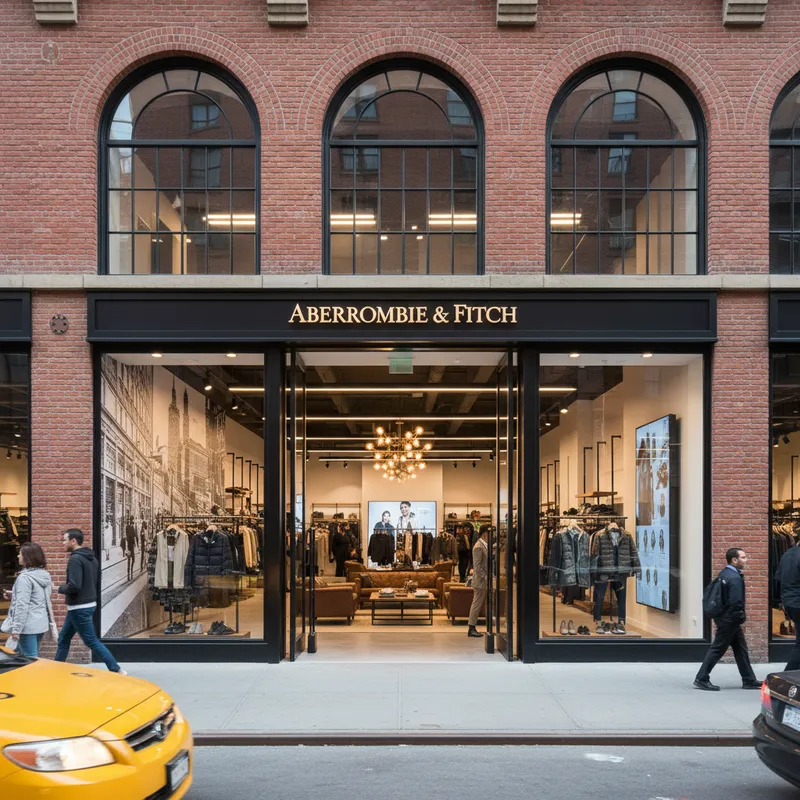
'Heritage Meets Modern' in SoHo's historic heart
The 'Heritage Meets Modern' concept aims to bridge the company’s long history with its forward-looking vision. The 'Heritage' component pays homage to Abercrombie & Fitch’s origins as a high-quality outfitter, founded in 1892. This is reflected in an emphasis on durable materials like denim, leather, and knits. The 'Modern' aspect is evident in the store's physical environment: bright lighting, clean lines, and integrated digital displays create a seamless and pleasant shopping experience.
Placing this concept in SoHo is particularly fitting. The neighborhood is a living example of 'heritage meets modern,' with its world-famous cast-iron historic district housing the latest in global fashion and design. The area's protected architecture means that brands must innovate within landmarked buildings, creating a unique tension between past and present. The city's Landmarks Preservation Commission plays a crucial role in maintaining this character, ensuring that new developments respect the neighborhood's history.
The store's design likely features an open floor plan, sophisticated but comfortable furniture, and individual fitting room suites, a stark contrast to the loud, dark, and communal changing rooms of the past. The goal is to create a space where customers can discover products at their own pace in a relaxed and elevated setting, encouraging them to spend time and connect with the brand's new identity. This inviting atmosphere makes it a welcome addition to a neighborhood known for its diverse culinary scene, from quick lunches to high-end dining experiences detailed in the ultimate SoHo restaurant guide.
A statement of confidence in brick-and-mortar
Choosing to open a large-format store in one of New York City’s most expensive retail corridors is a bold statement. While many brands have downsized their physical footprints, Abercrombie’s investment signals a belief that flagship stores are crucial brand-building tools. In a neighborhood with immense global foot traffic, the SoHo location will function as much as a marketing vehicle as a point of sale, introducing the revamped brand to tourists and new customers from around the world.
The decision also reflects a broader trend of successful, digitally native brands recognizing the value of physical retail, and of legacy brands reinventing their stores to be more experiential. In an era of endless online choice, a well-executed physical store provides a tangible connection and a level of customer service that cannot be replicated online. It’s part of a wider economic narrative where cities are seeing renewed investment in key commercial districts, similar to the economic boosts anticipated in other major US cities from large-scale events like the World Cup, as noted by the Los Angeles Advertiser.
The opening of the Abercrombie & Fitch store is a positive indicator for the SoHo retail market, suggesting continued demand for prime locations from strong retail tenants. The future of retail in the area will likely involve a continued blend of innovative flagships, independent boutiques, and engaging pop-up experiences that give shoppers a reason to visit in person. As Abercrombie & Fitch continues to roll out its new store concepts globally, this SoHo flagship will serve as a key benchmark for the brand's next phase of growth.